

Tristan is a name full of mystery and strength. Many parents search for its Tristan name origin before they choose it for their baby boy as one of many faith-inspired names. The name carries a rich history that goes back centuries. It has ties to old legends of love and courage rooted in Celtic Christian heritage. Today, many people also wonder about its connection to the Bible and faith, asking if Tristan is a biblical name. Understanding this link can add deep meaning to the name for Christian families searching for Christian baby names.
The name Tristan is not found directly in the Bible text, which answers the common question Tristan mentioned in the Bible. Yet many believers connect its Tristan spiritual meaning to values like sorrow turned into strength. Some say the name reflects a journey through hardship toward hope, echoing biblical themes of suffering. This makes it meaningful for parents who want a name with a deeper story among biblical baby boy names. Christian parents often look past the dictionary meaning to find Tristan biblical symbolism. They see Tristan as a name that can inspire faith, patience, and inner strength in a child’s life, much like other names with spiritual meaning.
What Does the Name Tristan Mean?
Tristan is often linked to the idea of sorrow or sadness, a key part of its Tristan name etymology. Some scholars trace it to a Celtic word meaning “noise” or “tumult,” pointing to its Tristan Celtic origin. Others connect it to the Latin word “tristis,” which means sad, giving the name its Tristan Latin meaning. Over time, the meaning of Tristan grew softer. Many now see it as a name of quiet strength tied to biblical character traits. It suggests someone who can carry pain with grace.
Despite its sad roots, Tristan has become a popular and warm choice among Christian family names. Parents today often choose it for its strong sound and noble feel, fitting well among warrior names in Christianity. It brings to mind heroes who face struggle with courage. The name has grown beyond its old meaning. It now stands for resilience and depth of character, values often praised in Christian parenting. Many feel it fits a child who will grow into a thoughtful, strong person shaped by Christian values.
Etymology and Historical Origins of Tristan
The name Tristan has deep roots in Celtic and Pictish culture, central to its overall Tristan history. It is believed to come from the Pictish name “Drustan.” This name later evolved through Welsh and French influence, blending with Celtic Christian heritage. The famous medieval legend of Tristan and Iseult made the name widely known. Their story of love and loss spread across Europe. This legend gave the name lasting fame in Western culture and shaped its place among bible-inspired names over time.
Over centuries, Tristan moved through French and English use. It kept its romantic and heroic tone throughout history. By the modern era, it had become common in English-speaking countries, including Christian communities drawn to its story. Writers and poets often used it in tales of bravery. This long journey shaped the name into what it is today. It now feels timeless, strong, and rich with story, which is part of why it appeals to parents seeking faith-inspired names.
Is Tristan Mentioned in the Bible?
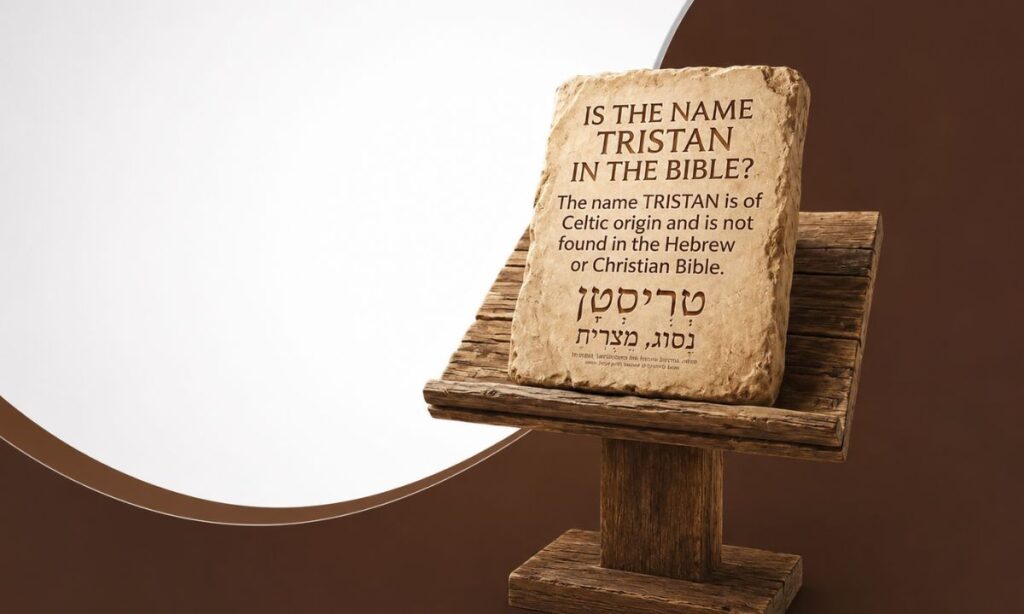
Tristan does not appear anywhere in the Bible’s original text, so Tristan in the Bible is not found as a direct name. It is not a Hebrew or Greek name from scripture. The Bible does not record any figure by this name among biblical names for boys. This surprises some parents who assume it has biblical roots. The name instead comes from European legend, not scripture. Still, many Christian families feel drawn to its deeper meaning, exploring the Tristan biblical meaning even without a scriptural entry.
Even without a direct verse, believers often give the name spiritual meaning tied to hope in Christ. They connect it to themes of sorrow turned into hope, aligning with biblical themes of suffering. This mirrors many biblical stories of pain leading to redemption in the Bible. Parents may see Tristan as a name of quiet faith and biblical perseverance. It can represent a life shaped by trust in God through hardship. This makes it meaningful, even without a direct biblical mention, and useful when discussing the biblical significance of names.
Spiritual Significance of the Name Tristan
Many Christian parents see Tristan as more than just a name — they see its full Tristan spiritual meaning. They view it as a symbol of strength through sorrow. The name’s roots in sadness can point to a deeper spiritual truth tied to redemption in the Bible. Scripture often teaches that pain can lead to growth and faith, part of the wider biblical themes of suffering. Tristan can remind a family of that same journey toward hope in Christ. It becomes a name of hope born from struggle.
Some believers also link Tristan to biblical perseverance. They see it as a name for someone who stays faithful in hard times. This fits well with Christian teachings on trust and endurance and Christian faith journey themes. A child named Tristan may carry a reminder to lean on faith. Parents often hope the name will inspire calm strength as part of their child’s biblical identity. It can serve as a daily blessing spoken over their child’s life.
Christian Symbolism and Faith Connections

Tristan is not a biblical name, but it can still hold real Tristan Christian meaning. Its tie to sorrow connects to the idea of suffering with purpose, a core piece of Tristan Christian symbolism. The Bible often speaks of trials shaping character and faith. Many parents apply this lesson to the name Tristan as part of their Christian traditions. They see it as a quiet echo of biblical transformation. This gives the name a personal, faith-filled layer.
Christian families sometimes choose names for their sound and feeling rather than direct scripture, valuing meaningful Christian baby names over strict biblical origin. Tristan carries a noble, gentle strength that fits this approach. It can represent a heart that trusts God through difficulty. Parents may pray that their child grows in patience and grace, reflecting Christian spiritual identity. The name becomes a personal symbol of faith rather than a biblical label. This makes it special in its own quiet way within Christian traditions.
Tristan in Biblical History and Tradition
Tristan has no direct place in biblical history or scripture, though people still search for Tristan biblical meaning out of curiosity. It does not appear in the Old or New Testament. The name instead comes from medieval European tradition. Its fame grew through legend, not through sacred text. Still, some Christian writers later borrowed its emotional depth. They used it to describe faith tested through hardship, tying it loosely to biblical themes of suffering.
Because of this, Tristan sits outside biblical tradition but close to its themes of hope in Christ. It reflects ideas that Christians value, like biblical perseverance and hope. Many parents connect the name’s story to their own Christian faith journey. They see meaning in a name shaped by struggle and resilience. This lets Tristan carry a spiritual weight, even without scripture behind it. It becomes a name of quiet, personal faith tradition within modern Christian parenting.
The Origin of Tristan in Celtic and Christian Culture
Tristan began as a Celtic and Pictish name long before Christian influence, rooted firmly in Celtic Christian heritage. It later blended with medieval Christian storytelling in Europe. The tale of Tristan and Iseult carried themes of love, loss, and redemption in the Bible. Christian writers of the era often added moral and spiritual lessons to such tales. This blend shaped how people understood the name over time. It grew from simple folklore into a name with deeper meaning as a Celtic Christian name.
As Christianity spread through Europe, many old names took on new spiritual layers, becoming part of a wider set of Christian heritage names. Tristan became one of these transformed names. It kept its Celtic roots while gaining Christian symbolism. Themes of suffering and biblical transformation became part of its identity. This mix of cultures gives the name a rich, layered history. It now feels both ancient and spiritually meaningful, fitting comfortably among Celtic Christian names.
Biblical Names Similar to Tristan
While Tristan is not biblical, some biblical names similar to Tristan share its tone and depth. Names like Caleb and Joshua carry themes of courage and faith. Job is another name tied closely to sorrow and biblical perseverance. These names reflect struggle followed by strength, much like Tristan’s story. Parents drawn to Tristan may also like these biblical options among bible names for boys. They share a similar spirit, even if their origins differ.
Other names like Noah and Simeon also carry quiet emotional depth. Noah relates to comfort, while Simeon connects to listening and faith. These names pair well in tone with Tristan’s meaning and fit nicely into a list of spiritual baby names. Parents seeking a Christian option with similar feelings may explore these choices. They offer scriptural roots with the same sense of quiet strength. This makes them thoughtful alternatives for faith-centered families building out Christian family names.
Job: Suffering and Faith
Job’s story is one of the most powerful in the Bible and a central example of biblical themes of suffering. He lost everything yet held onto his faith in God. His name has become a symbol of patience through deep suffering. Many see Job as proof that faith can survive great pain. His story teaches that trust can outlast tragedy. This connects closely to the quiet strength found in the name Tristan and its message of biblical perseverance.
Parents drawn to Tristan’s theme of sorrow may feel connected to Job’s story of suffering and redemption in the Bible. Both carry the idea of hardship met with quiet endurance. Job’s faith never broke, even in his darkest moments. This makes his name a strong symbol of spiritual resilience. Christian families often see Job as a reminder that pain has purpose. It offers a biblical parallel to Tristan’s deeper meaning.
Jeremiah: Prophet of Sorrow
Jeremiah is often called the weeping prophet in the Bible. He carried heavy sorrow while remaining faithful to his calling. His name reflects deep emotion paired with unshaken devotion. This mirrors the emotional roots found in the name Tristan. Both names carry a sense of sadness turned into purpose, tied to transformation through faith. Jeremiah’s story shows sorrow can still serve a greater good.
His life reminds believers that faith does not require constant happiness. Jeremiah stayed true to his mission despite pain and rejection. This gives his name a powerful spiritual weight. Christian parents may feel this same depth in the name Tristan. Both names speak to hearts that stay strong through sadness. They represent faith that endures beyond emotion, another picture of biblical hope and endurance.
Joseph: From Pit to Palace
Joseph’s story moves from betrayal to incredible triumph, a vivid example of biblical transformation. He was sold into slavery yet rose to great power in Egypt. His journey shows how hardship can lead to unexpected blessings. This theme fits closely with Tristan’s meaning of sorrow turned to strength. Joseph never lost faith, even in his lowest moments. His story offers hope to anyone facing a hard season.
Parents who love Tristan’s message may connect with Joseph’s journey too. Both carry a story of pain that leads somewhere greater. Joseph’s patience and forgiveness became his greatest strengths. This makes his name a symbol of redemption in the Bible. Christian families often see his story as proof that struggle has purpose. It adds a hopeful layer to names built on quiet endurance.
Comparison Table
| Name | Core Theme | Emotional Tone | Spiritual Lesson |
| Tristan | Sorrow to strength | Quiet, reflective | Endurance through hardship |
| Job | Suffering and faith | Heavy, steadfast | Faith survives loss |
| Jeremiah | Sorrow with purpose | Emotional, devoted | Sadness can serve a calling |
| Joseph | Pit to palace | Hopeful, resilient | Hardship leads to blessing |
| Thomas | Doubt to belief | Uncertain, searching | Faith grows through questioning |
Thomas: Doubt to Belief
Thomas is remembered for his doubt after Jesus’s resurrection. He needed proof before he could fully believe. Yet his story does not end in doubt alone. Thomas eventually declared strong faith once he saw the truth, showing biblical transformation in action. His journey shows that questioning can lead to deeper belief. This mirrors the emotional depth found in the name Tristan.
Many people relate to Thomas because faith is not always instant. His story reminds believers that doubt can still lead to strong conviction. This makes his name meaningful for those who value honest faith. Parents drawn to Tristan’s quiet strength may see similar value in Thomas. Both names reflect a journey through struggle toward belief. They show that faith can grow stronger after hardship, part of a larger Christian faith journey.
Biblical Alternatives to Tristan
Parents who love Tristan’s meaning but want a direct biblical name have good options among biblical names for boys. Names like Job, Jeremiah, and Thomas carry similar emotional depth. Caleb and Joshua offer themes of courage instead of sorrow. Simeon and Noah bring quiet strength with clear scriptural roots. These names allow families to keep the same spiritual feeling while choosing from established Bible-inspired boy names. They simply trade legend for direct biblical history.
Choosing a biblical alternative can feel meaningful for faith-centered families. It connects a child’s name directly to scripture rather than folklore. Parents still get the emotional depth they love about Tristan. Yet they gain the added weight of a true biblical figure. This can feel more grounded for some Christian households seeking names reflecting Christian character. It offers the same spirit with a stronger scriptural anchor.
Why Parents Choose Tristan: A Biblical Perspective
Many parents choose Tristan for its emotional depth, not its origin, when weighing the biblical perspective on naming a child. They are drawn to its theme of sorrow turned into strength. This idea fits naturally into a Christian worldview. Scripture often teaches that pain can shape character and faith. Parents apply this same lesson to their child’s name. It becomes a personal, faith-filled choice rather than a scriptural one, reflecting God’s purpose in names.
Some parents also love that Tristan feels timeless and strong. It carries a quiet nobility that fits a life of faith. Even without direct biblical roots, the name feels spiritually rich. Parents often pray it will inspire patience and inner strength, hoping for names inspired by biblical principles. This makes Tristan a meaningful choice for many Christian families. It reflects faith through feeling rather than through scripture alone.
Tristan Name Meaning in Hebrew and Greek
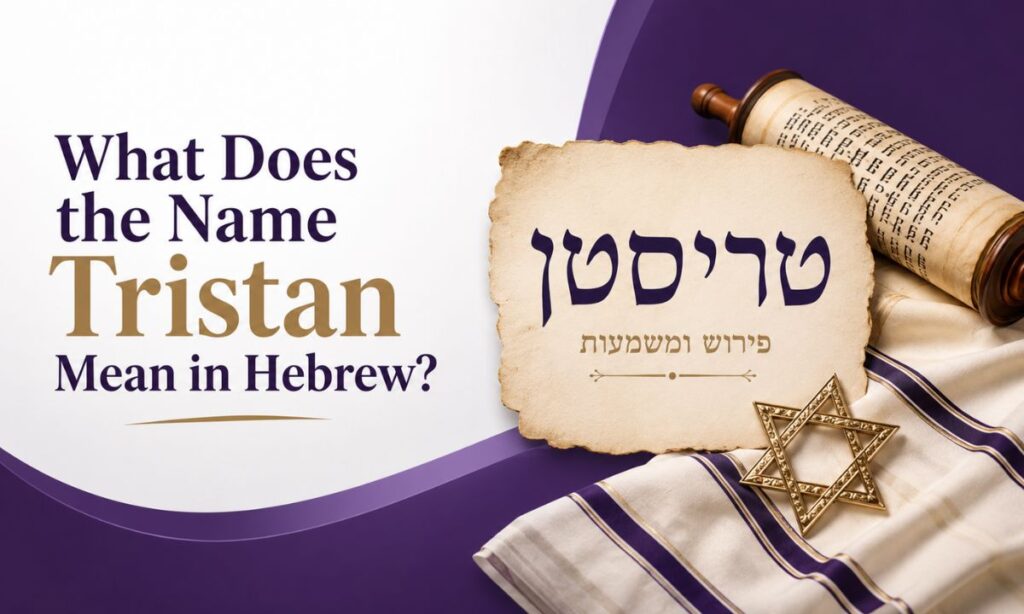
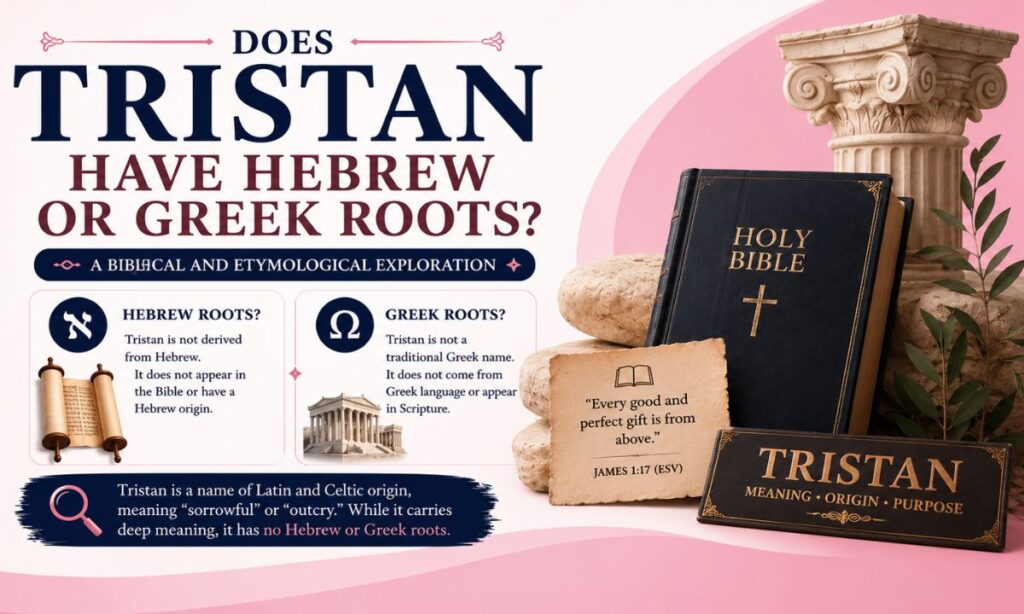
Tristan has no true origin tied to Tristan meaning in Hebrew or Tristan meaning in Greek. It comes from Celtic and Latin roots instead. Because of this, there is no direct translation in biblical languages. Still, its meaning of sorrow connects loosely to Hebrew and Greek ideas. Both languages have rich words for grief and emotional depth. This gives Tristan an indirect link to biblical thought and biblical identity.
Hebrew and Greek both explore suffering as part of spiritual growth and transformation through faith. Tristan’s theme fits naturally into these ancient ideas. While the name itself is not biblical, its meaning resonates with scripture. Many Christian parents find comfort in this connection. It allows Tristan to feel spiritually meaningful despite its non-biblical roots. This blend of language and faith adds depth to the name.
Hebrew Concepts of Sorrow and Strength
Hebrew scripture often ties sorrow closely to spiritual growth. Words like “yagon,” meaning grief, appear throughout the Old Testament. Yet Hebrew thought rarely leaves sorrow without hope attached. Strength often follows suffering in biblical stories. This pattern mirrors the emotional journey found in the name Tristan. Both reflect pain that leads toward deeper faith and biblical hope and endurance.
The Hebrew Bible frequently shows sorrow as a path to trust in God. Figures like Job and Jeremiah lived this pattern fully. Their stories show grief transformed into steadfast faith. Tristan’s meaning echoes this same spiritual movement. It reflects a heart that grows stronger through hardship. This gives the name a quiet connection to Hebrew spiritual thought.
Greek Spiritual Transformation Terms
Greek thought also explores the journey from suffering to strength, offering rich ground for Tristan meaning in Greek discussions. Words like “hypomone,” meaning patient endurance, appear throughout the New Testament. This concept describes strength built through trial. It closely matches the emotional theme behind Tristan’s meaning. Greek scripture often frames suffering as a path to growth. This adds another layer of meaning to the name.
The New Testament frequently teaches that trials produce character and hope in Christ. This idea fits naturally with Tristan’s theme of sorrow turned to strength. The Greek spiritual language often values endurance over comfort. Tristan reflects this same quiet, steady growth through hardship. Christian parents may see this Greek concept echoed in the name. It adds depth to Tristan’s meaning through biblical language.
Linguistic Comparison Table
| Language | Related Word | Meaning | Connection to Tristan |
| Celtic | Drustan | Noise, tumult | Original root of Tristan |
| Latin | Tristis | Sad, sorrowful | Common meaning source |
| Hebrew | Yangon | Grief, sorrow | Emotional parallel |
| Greek | Hypomone | Patient endurance | Spiritual growth theme |
| Greek | Lype | Sorrow, pain | Emotional connection |
The Cultural and Religious Impact of the Name Tristan
Tristan has grown from an old legend into a widely loved modern name. Its story of love and sorrow shaped its lasting cultural power. Over time, Christian families began adding personal, faith-based meaning to it. This shift moved the name beyond folklore into spiritual territory. It became a symbol of quiet endurance for many believers within Christian traditions. This cultural journey gave Tristan a deeper, more personal impact.
Religious communities often reshape names to fit their values. Tristan is a strong example of this pattern. Its meaning of sorrow turned into strength resonates with Christian teaching. Many parents now choose it for that emotional and spiritual weight. This shows how a secular name can gain sacred meaning over time. It reflects the way culture and faith often blend together within Christian heritage names.
Popularity Trends in Christian Communities
Tristan has steadily grown in popularity among Christian parents searching for meaningful Christian baby names. Many are drawn to its strong sound and quiet emotional depth. It fits well alongside other meaningful, character-driven names. Christian naming trends often favor names with a story behind them. Tristan offers exactly that kind of narrative richness. This has helped it stay popular across many church communities.
Parents in faith-centered communities often research a name’s deeper meaning before choosing it. Tristan’s theme of sorrow and strength fits this careful approach. It feels thoughtful rather than trendy. This has helped it remain a steady choice, not just a passing trend. Christian parents often pass along its meaning as part of the child’s story. This keeps the name spiritually relevant across generations of Christian family naming traditions.
Cross-Denominational Acceptance
Tristan is not tied to any single Christian denomination. Its lack of direct biblical origin makes it broadly acceptable. Catholic, Protestant, and Orthodox families alike can embrace its meaning. Since it relies on symbolism rather than scripture, it crosses denominational lines easily. This flexibility has helped it gain wide acceptance. Many different Christian traditions find personal meaning in the name.
Because Tristan’s spiritual weight comes from theme rather than text, it fits many belief systems. Denominations that value biblical perseverance and faith through trial connect with it naturally. This universal quality makes it appealing across diverse church communities. Parents from different backgrounds can all find shared meaning in the name. It becomes a name that unites rather than divides. This cross-denominational appeal adds to its lasting popularity among Christian family names.
Celebrity Christian Usage
Several public figures within Christian communities have chosen the name Tristan for their children. This visibility has helped introduce the name to wider faith audiences. When respected figures use a name, it often gains fresh cultural momentum. Tristan’s rise in some Christian circles follows this same pattern. Public usage can turn a name from unfamiliar to widely embraced. This visibility adds to its growing popularity today among Christian baby names.
Seeing the name used by public Christian figures can reassure hesitant parents. It suggests the name carries both style and meaning. This kind of visibility often normalizes a name within faith communities. Parents may feel more confident choosing Tristan after seeing this public embrace. It shows the name fits comfortably within modern Christian culture. This blend of visibility and meaning strengthens its lasting appeal.
Academic Perspectives
Linguists and historians often study Tristan for its rich European origins, contributing to broader interest in Tristan name etymology. Scholars trace its journey from Pictish roots through medieval legend. Academic interest usually focuses on its literary and cultural significance. Some scholars also explore how names gain religious meaning over time. Tristan serves as a strong case study for this pattern. Its shift from folklore to faith-based symbolism interests many researchers.
Religious scholars sometimes examine how non-biblical names take on spiritual weight, part of the wider study of the biblical significance of names. Tristan fits this academic conversation well. Its theme of sorrow and redemption in the Bible mirrors patterns found in religious texts. This makes it a useful example in discussions about language and faith. Academic study adds credibility to the name’s deeper meaning. It shows Tristan’s spiritual symbolism is more than just personal interpretation.
Social Perceptions and Faith Communities

Within many faith communities, Tristan is seen as a name with quiet depth. People often view it as strong, thoughtful, and slightly mysterious. This perception fits well with Christian values around inner strength. Faith groups tend to appreciate names that carry a story. Tristan’s background gives it exactly that kind of weight. This shapes how the name is received in church and community settings.
Social perception often affects how comfortable parents feel choosing a name. Tristan tends to be seen as respectful and meaningful, not trendy. Faith communities often value names that reflect character over fashion. This has helped Tristan gain quiet acceptance among Christian parents. It feels personal rather than performative. This positive perception adds to its lasting appeal within faith circles and Christian traditions.
What the Bible Teaches About Names and Identity
The Bible places great importance on names and their meaning, central to any discussion of biblical identity. Names often reveal character, purpose, or a person’s future path. Scripture treats naming as a meaningful, intentional act. This is why so many biblical names carry deep symbolism. A name is never just a label in the Bible. It often shapes how a person understands their identity.
This biblical view influences how many Christian parents choose names today. They look beyond sound and style to deeper meaning. Names like Tristan gain extra significance under this lens. Parents want their child’s name to reflect strength, faith, or purpose, mindful of the biblical significance of names. This biblical teaching shapes modern naming choices in quiet but powerful ways. It turns naming into an act of intention and hope.
God Names People Intentionally
Throughout the Bible, God often gives names with clear purpose, a strong picture of God’s purpose in names. He renamed Abram to Abraham, meaning father of many nations. Sarai became Sarah, reflecting a promise of blessing. These changes were never random or simple. Each name carried a specific spiritual meaning tied to God’s plan. This shows how intentional naming can be in scripture.
This pattern teaches that names can carry destiny and purpose. Christian parents often reflect this idea when naming their children. They hope a name like Tristan will shape a meaningful life path. This biblical example encourages thoughtful, prayerful naming choices as part of Christian family naming traditions. It reminds families that names can hold spiritual weight. This intentionality mirrors the deeper meaning many find in Tristan.
Biblical Names Change to Reflect Transformation
Many names in the Bible change to mark a spiritual transformation, showing transformation through faith in action. Jacob became Israel after wrestling with God and being changed. Simon became Peter after being called by Jesus for a new purpose. These name changes symbolize growth, calling, and new identity. They show that names can mark a turning point in someone’s life.
This idea connects closely to Tristan’s theme of sorrow turning into strength. Just as biblical names shifted to reflect transformation, Tristan reflects a similar journey. It suggests a movement from hardship toward deeper purpose. Christian parents often see this pattern as meaningful and inspiring. It adds a layer of spiritual growth to the name. This makes Tristan feel aligned with biblical themes of change and biblical transformation.
Names Reflect Character and Calling
In the Bible, a name often reflects who a person is meant to become, one of many biblical character traits tied to naming. Names like Joshua, meaning “the Lord saves,” point directly to purpose. This pattern shows that names can carry both identity and calling. Parents in biblical times chose names with great care and intention. They believed a name could shape a child’s future path.
This tradition still influences Christian naming today. Parents often choose names hoping they reflect strong character, part of choosing names reflecting Christian character. Tristan’s theme of quiet endurance fits this same idea. It suggests a calling toward patience and inner strength. Many parents hope their child will grow into this deeper meaning. This connects Tristan to the biblical belief that names hold lasting purpose.
Identity Ultimately Comes from Christ
The Bible teaches that true identity is not found in a name alone. A name can carry meaning, but faith shapes who a person truly becomes. Scripture points to Christ as the foundation of real biblical identity. Believers are called children of God through their faith. This truth matters more than any name’s origin or meaning. It reminds parents that a name is a starting point, not the whole story.
Even a name like Tristan, rich with symbolism, cannot define a child alone. Its themes of sorrow and strength can inspire, but faith gives lasting purpose and hope in Christ. Christian parents often hope a name will point toward deeper truths. Yet they also teach their children that identity is rooted in Christ. This balance allows a name to inspire without becoming the full source of meaning. It keeps faith, not language, at the center of Christian spiritual identity.
Practical Application for Parents
Parents choosing the name Tristan can use its meaning as a starting point for faith conversations, part of everyday Christian parenting. They might share its theme of sorrow turning into strength as their child grows. This can become a gentle lesson about trusting God through hard times. Parents can also pair the name with a meaningful Bible verse. This adds a personal, spiritual layer to the name’s story.
Simple traditions can make the name feel even more meaningful within Christian family naming traditions. Parents might pray over the name during dedication or baptism. They can explain its deeper themes as the child grows older. This turns Tristan into more than just a name choice. It becomes a lasting reminder of faith, biblical perseverance, and hope. This practical approach helps parents connect naming with everyday spiritual guidance.
Frequently Asked Questions
Does the name Tristan have a meaning in the Bible?
Tristan is not found in the Bible. Its meaning of sorrow comes from Celtic and Latin roots.
What is the spiritual meaning of the name Tristan?
It represents sorrow turning into strength. Many see it as a symbol of faith through hardship.
Is Tristan a Christian name?
Tristan is not biblical, but Christian families often give it spiritual meaning tied to endurance and faith.
What does the name Tristan symbolize?
It symbolizes quiet strength born from sadness. It reflects a journey from pain toward hope.
Where does the name Tristan originate from?
Tristan comes from Celtic and Pictish roots, later shaped by medieval European legend.
Does Tristan mean sad in the Bible?
The Bible does not define Tristan, but its root meaning is linked to sorrow in Latin.
Are there Bible verses connected to the name Tristan?
There is no direct verse for Tristan, but themes of sorrow and strength appear throughout scripture.
What Bible names are similar to Tristan in meaning?
Job, Jeremiah, and Thomas share similar themes of sorrow, doubt, and spiritual strength.
Can Christian parents give their child the name Tristan?
Yes, many Christian parents choose Tristan for its emotional depth and spiritual symbolism.
What does the name Tristan represent in Christian faith?
It represents a life shaped by patience, endurance, and trust in God through difficulty.
Conclusion
The name Tristan carries deep emotional weight, even without direct biblical roots. Its journey from sorrow to strength speaks to many Christian hearts. Parents often find comfort in this quiet symbolism. It offers a name filled with story, faith, and meaning.
Choosing Tristan can become more than a personal preference for many families. It can serve as a daily reminder of endurance through hardship. With prayer and reflection, the name gains lasting spiritual value. It stands as a powerful choice for those seeking faith-filled meaning.

Hammad SEO is a digital marketing specialist focused on search engine optimization, prayer bible, and content strategy. He helps brands grow online visibility through data-driven SEO and engaging content.
