

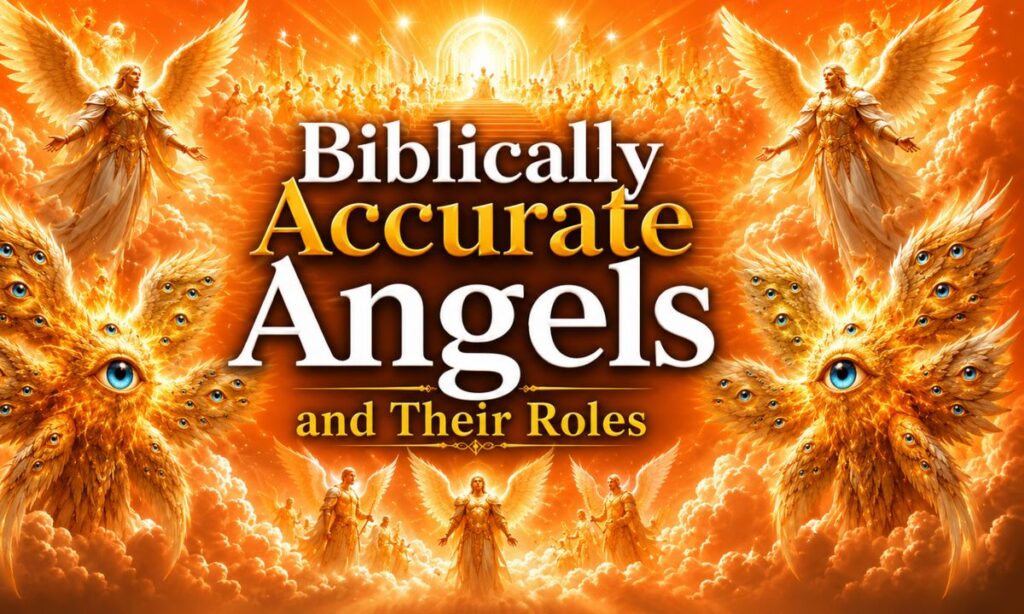
Most people picture angels as cute babies with tiny wings or gentle women in white robes. Movies and greeting cards have shaped this soft image for years. But the Bible tells a very different story about biblically accurate angels. Real angels are powerful, sometimes strange, and often frightening celestial beings created by God for specific purposes.
Scripture describes angels in the Bible as messengers, warriors, and worshippers who serve God’s will. They appear with wings, fire, wheels, and multiple faces in some accounts. People who meet these heavenly messengers often fall down in fear, not comfort. Learning their true biblical angel descriptions helps us understand God’s power and the unseen world around us more clearly.
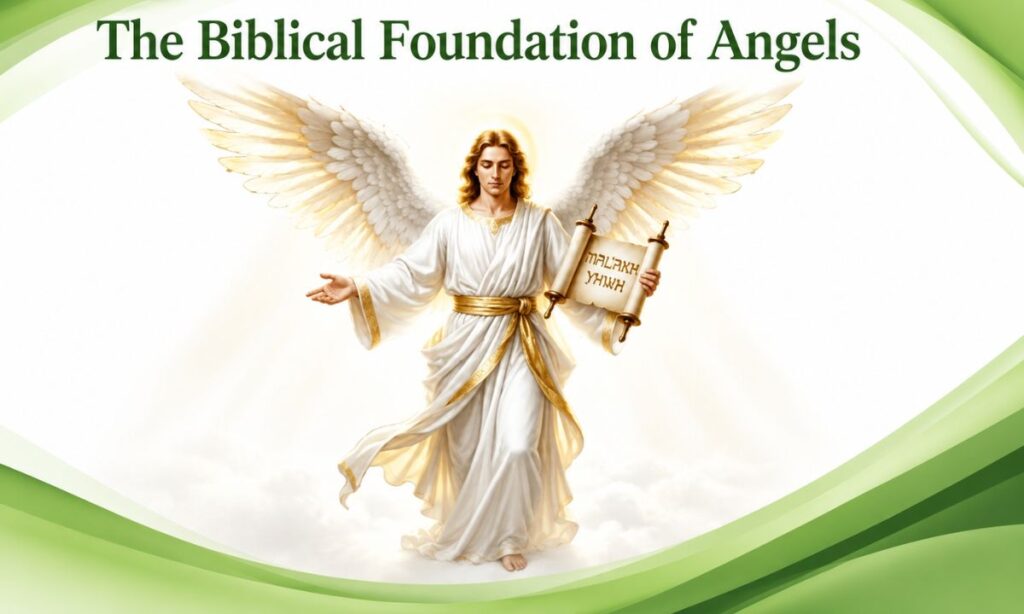
The Biblical Foundation of Angels
The Bible mentions angelic beings from Genesis all the way to Revelation. They show up in dreams, in gardens, and on battlefields. God created them before He made the earth and humans. Their presence runs through the entire story of Scripture, shaping the meaning of the heavenly host.
These beings are not myths or symbols. The Bible treats them as real, active creatures within an ordered angel hierarchy. They carry out God’s plans in ways we rarely see. Understanding their foundation helps us read the whole Bible with clearer eyes.
What Scripture Reveals About Angels
Scripture paints holy angels as strong, obedient, and faithful servants of God. They are not humans who died and grew wings. They are a separate creation, made purely to serve their Creator as God’s messengers. The Bible gives us real details, not vague ideas.
They speak, they fight, they guard, and they praise God constantly as part of God’s throne. Some appear as ordinary men, while others look terrifying and strange. Their descriptions vary, but their purpose within the angelic hierarchy stays the same. Every mention teaches us something about God’s power and order.
The Etymology and Meaning of ‘Angel’
The word “angel” comes from the Greek word “angelos,” meaning messenger. In Hebrew, the word “malak” carries the same basic meaning. Both words point to one clear job: delivering messages from God as divine messengers. This name shapes the biblically accurate meaning behind their role.
Angels are not just pretty symbols floating in the sky. Their very name tells us they exist to communicate God’s will as spiritual beings. They bring warnings, promises, and instructions to people. The meaning behind their title reveals their true purpose on earth.
Angels as Spiritual Beings and Ministering Spirits
Angels are spirits, not physical creatures like humans or animals. Hebrews 1:14 calls them “ministering spirits” sent to help believers. They do not have bodies unless God allows them to appear. Their nature is invisible, powerful, and tied closely to God’s throne.
Because they are spiritual beings, they can move quickly and appear suddenly. They serve believers by protecting, guiding, and sometimes delivering messages. Their ministry is quiet but real, even when we cannot see it. This spiritual nature sets these celestial beings completely apart from human beings.
Contrasting Biblical Angels with Popular Culture
Popular culture shows angels as soft, romantic, and harmless figures. Think of chubby cherubs or glowing guardian spirits in movies. These images feel comforting but rarely match the biblical angel appearance found in Scripture. The contrast between fiction and the true biblical creatures of Scripture is quite striking.
Biblically accurate angels are described as fierce, dazzling, and sometimes terrifying to behold. They carry swords, breathe fire, or have multiple wings and eyes, much like the heavenly warriors described in prophetic visions. People often needed reassurance just to stand in their presence. Real angels demand respect, not casual comfort like cartoons suggest.
How Modern Media Misrepresents Angels
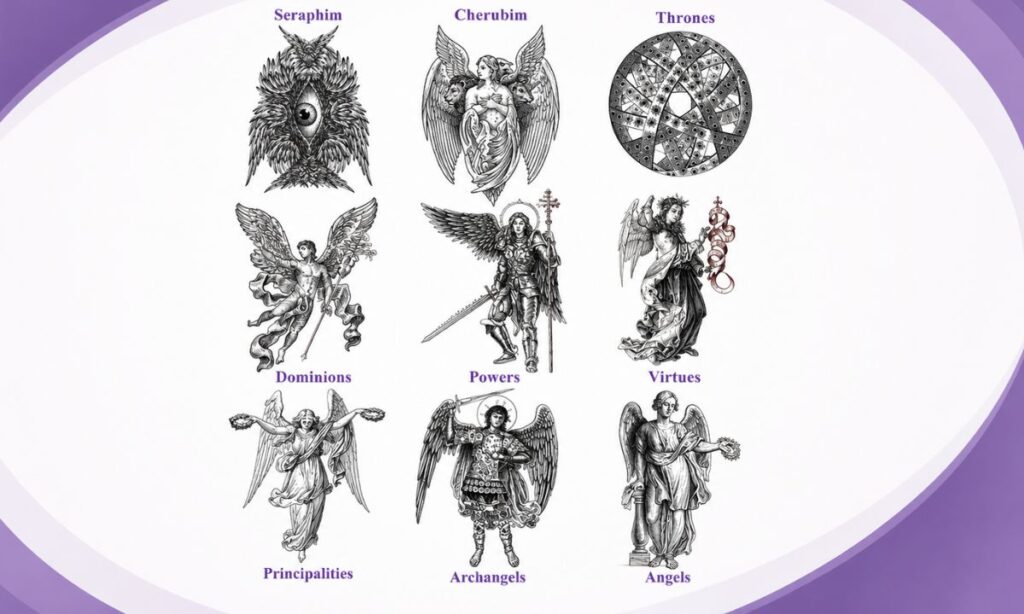
Movies, TV shows, and greeting cards often turn angels into gentle background characters. They usually appear as kind humans with small feathered wings rather than reflecting biblically accurate angel types. This portrayal ignores the raw power described throughout Scripture. The media prioritizes comfort over biblical accuracy almost every time.
This softened image can distort how people understand God’s messengers. Viewers may expect angels to feel familiar, safe, and predictable. But biblical encounters with the heavenly host are often overwhelming, not soothing. Recognizing this gap helps us separate fiction from spiritual truth and biblical symbolism.
Why Angels Say ‘Fear Not’ in Scripture
Angels frequently open their messages with the phrase “fear not” or “do not be afraid.” This wasn’t just politeness—it was necessary reassurance in the face of true biblical angel descriptions. Their appearance often shocked and terrified the people who saw them. Fear was the natural human response to these overwhelming heavenly messengers.
This repeated phrase shows just how intense and unfamiliar biblically accurate angels truly are. If angels looked soft and harmless, no comfort would be needed. Their glory and power naturally caused fear in witnesses. This detail alone proves how different real angels are from popular imagination.
Archangels: The Named Messengers of Heaven
Most angels in Scripture remain unnamed, simply called “the angel of the Lord” or “a messenger.” But a few stand out with actual names and titles within the broader angel hierarchy. These named angels hold higher rank and greater responsibility in heaven. Their unique status sets them apart from the countless unnamed heavenly hosts.
Archangels appear during major turning points in biblical history. They deliver critical messages, lead heavenly armies, and confront powerful spiritual forces as true heavenly warriors. Their presence marks moments of great importance to God’s plan. Studying them shows us there is structure and order within heaven’s angelic hierarchy.
Michael: The Warrior Prince
Michael is the only angel directly called an “archangel” in Scripture. He appears in Daniel, Jude, and Revelation as a fierce protector among the heavenly host. His main role involves warfare against dark spiritual forces and enemies. Michael is closely tied to defending God’s people, especially Israel.
In Daniel 10, Archangel Michael fights to help another angel reach Daniel with a message. In Revelation, he leads heaven’s armies against the dragon, Satan himself. Jude describes him disputing with the devil over Moses’ body. Michael’s identity is defined by strength, battle, and fierce loyalty to God.
Gabriel: God’s Chief Herald
Gabriel serves as heaven’s primary messenger for major announcements, ranking among the highest divine messengers. He appears to Daniel, explaining visions about future events and kingdoms. Later, Angel Gabriel visits Zechariah to announce John the Baptist’s birth. His most famous appearance is to Mary, announcing Jesus’s coming birth.
Unlike Michael, Gabriel isn’t described as a warrior or fighter. Instead, he specializes in delivering life-changing news with clarity and authority. His words often leave people speechless, confused, or physically shaken. Gabriel represents heaven’s voice during history’s most pivotal moments.
The Unique Role of Named Angels
Named angels like Michael and Gabriel carry special authority compared to other angelic beings. Their identities suggest higher rank within heaven’s spiritual angel hierarchy. Scripture treats their names as significant, not accidental or decorative details. This naming shows God values order, structure, and clear leadership among His servants.
These named beings appear only during crucial biblical events, never randomly. Their involvement signals something important is happening in God’s unfolding plan. Unlike unnamed angels, they carry personal identity and specific ongoing responsibilities. Their unique role highlights how God’s heavenly court operates with purpose and design.
Seraphim: The Fiery Worshipers at God’s Throne
Seraphim angels appear only once by name, in Isaiah’s dramatic angelic throne room vision. These beings have six wings, covering their face, feet, and flying. Their name relates to fire, burning, or intense radiant brightness. They surround God’s throne, constantly declaring His holiness aloud.
In Isaiah 6, seraphim cry out “holy, holy, holy” without ceasing. Their voices are so powerful that the temple’s doorposts visibly shake. One seraph touches Isaiah’s lips with a burning coal for cleansing. Seraphim reveals worship as intense, fiery, and utterly focused on God’s glory, embodying deep biblical symbolism.
The Six Wings and Their Symbolic Meaning
Isaiah describes these six-winged angels, each pair of wings serving a purpose. Two wings cover their face, showing reverence before God’s glory. Two wings cover their feet, symbolizing humility in His holy presence. The final two wings allow them to fly swiftly at His command.
This wing arrangement, part of the broader picture of angel wings in the Bible, teaches us something about approaching a holy God. Even powerful, fiery beings cannot look directly at His full glory. Their covered feet suggest even their service feels unworthy before Him. The wings reveal deep reverence, humility, and readiness to obey instantly.
The Threefold Holy Proclamation
Seraphim repeats one phrase endlessly: “Holy, holy, holy is the Lord Almighty.” This threefold repetition emphasizes God’s absolute and complete holiness before God’s throne. In Hebrew tradition, repeating a word three times shows ultimate importance. Nothing else in Scripture receives this same triple emphasis.
Their proclamation isn’t quiet or occasional but constant and thunderous. The sound is so powerful it shakes the temple’s foundations. This declaration reminds us that holiness defines God’s very nature. Seraphim exist partly to broadcast this truth endlessly within God’s heavenly court.
Seraphim’s Role in Purification
When Isaiah sees the seraphim, he immediately feels unclean and afraid. He cries out, admitting his sinful lips before a holy God. One seraph responds by taking a burning coal from the altar. The coal touches Isaiah’s lips, symbolically removing his guilt and sin.
This moment shows seraphim aren’t just worshippers but agents of cleansing too. Fire in Scripture often represents purification, judgment, and holy transformation. Isaiah becomes ready to serve God only after this fiery touch. Seraphim’s purification role connects worship directly to personal transformation and calling.
Cherubim: The Multi-Faced Guardians of Holy Places
Cherubim angels differ greatly from the soft, baby-like images popular culture created. Scripture describes them as powerful guardians stationed at sacred, significant locations. They protect holiness, guard access, and represent God’s majestic presence. Their appearance is complex, strange, and far from cute or comforting—one of the clearest examples of biblically accurate angel types.
These beings appear in Genesis, Exodus, and Ezekiel’s vision with striking consistency. Multiple faces, wings, and eyes define their unusual physical description. Cherubim aren’t decorative angels but serious protectors of divine holiness. Understanding them reshapes how we picture heaven’s guardian creatures completely.
Cherubim Guarding the Garden of Eden
After Adam and Eve sinned, God placed cherubim outside Eden’s entrance. Genesis 3 describes them holding a flaming sword that turned constantly. Their job was preventing access back to the tree of life. This was humanity’s very first encounter with these guardian beings.
The scene shows cherubim as protectors of God’s holiness and divine order. They weren’t gentle babies but fierce, intimidating guardians blocking forbidden entry. Their flaming sword suggests danger, judgment, and serious spiritual consequences. This first appearance sets the tone for cherubim throughout Scripture.
The Four Faces and Their Significance

Ezekiel describes these four-faced angels with four distinct faces: man, lion, ox, and eagle. Each face represents different qualities—intelligence, strength, service, and swiftness. Together, these faces suggest complete awareness and comprehensive spiritual perception. No single direction escapes their constant, watchful attention.
This multi-faced design shows cherubim seeing everything simultaneously without turning around. Their appearance reflects God’s own complete knowledge and awareness of creation. The imagery is unsettling by human standards but deeply symbolic spiritually. These faces reveal cherubim as beings of extraordinary perception and readiness.
Cherubim on the Ark of the Covenant
God commanded two golden cherubim placed atop the Ark of the Covenant’s mercy seat. Their wings stretched upward, overshadowing the sacred space between them. This spot represented God’s throne and meeting place with His people. Cherubim guarded this holiest location within the entire tabernacle system.
Their presence on the Ark emphasized reverence, protection, and divine nearness combined. Blood was sprinkled here yearly for Israel’s atonement and forgiveness. Cherubim silently guarded this meeting point between sinful humans and holy God. Their golden forms reminded Israel that access to God requires sacred protection.
Eyes Symbolizing God’s Omniscience
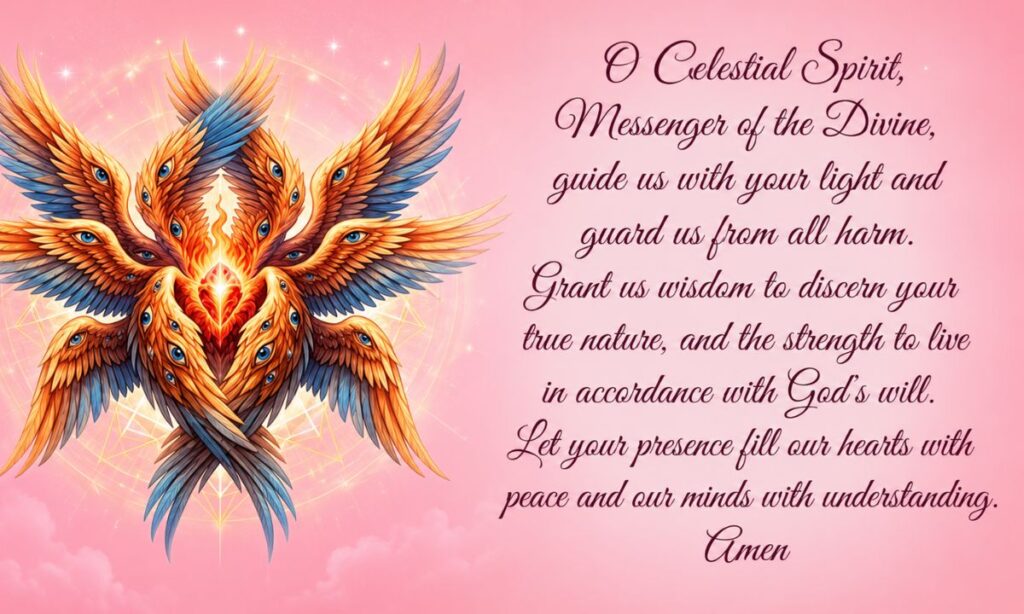
Ezekiel describes cherubim’s wheels and bodies as being full of eyes—these are the biblical angels with many eyes so often discussed. These eyes appear on wings, wheels, and around their entire bodies. Such imagery seems bizarre but carries deep spiritual significance and meaning. Nothing about God’s creation or judgment escapes their watchful sight.
These countless eyes symbolize God’s complete knowledge of everything happening everywhere. Cherubim reflect this omniscience through their strange, eye-covered appearance. Nothing is hidden, forgotten, or missed within their constant field of vision. This detail reinforces that God sees all things, always, without exception.
Living Creatures and Ophanim: The Most Mysterious Angels
Ezekiel’s prophetic visions introduce some of the strangest biblical creatures in all Scripture. Living creatures and wheel-like entities appear together in overwhelming, complex detail. These descriptions push far beyond typical human imagination or artistic depiction. Understanding them requires setting aside every cartoon image we’ve absorbed and looking closely at the description of angels in the Bible Ezekiel actually gives.
These beings reveal how vast and unfamiliar heaven’s structure truly is. Their strange forms remind us that God’s throne room defies human categories. Ezekiel struggles to describe what he witnesses, using comparison after comparison. This mystery itself teaches us something about God’s incomprehensible majesty and glory.
Ezekiel’s Vision of the Living Creatures
Ezekiel’s vision in chapter one opens with a storm, fire, and four living creatures. Each creature has four faces and four wings covering their bodies. Their legs are straight, and their feet resemble a calf’s hoof. Bronze-like brightness surrounds them, adding to the overwhelming visual intensity.
These creatures move together perfectly, never turning as they travel forward. Fire moves between them, and lightning flashes from their gathered presence. Their synchronized movement suggests complete unity under God’s direct control. This vision introduces readers to the angelic throne room in dramatic, terrifying detail.
The Wheel Angels: Ophanim Explained
Alongside the living creatures, Ezekiel describes strange wheels moving beside them. These wheels aren’t lifeless objects but seem alive, guided by spirit. Later Jewish tradition named these wheels “Ophanim angels,” meaning wheels in Hebrew. They represent another category entirely within angelic or heavenly beings.
The wheels move in any direction without turning, showing complete flexibility. Wherever the spirit wanted to go, the wheels instantly followed along. This coordination suggests total obedience to God’s will and direction. Ophanim angels represent motion, divine transport, and God’s active presence throughout creation.
Wheels Within Wheels Covered With Eyes
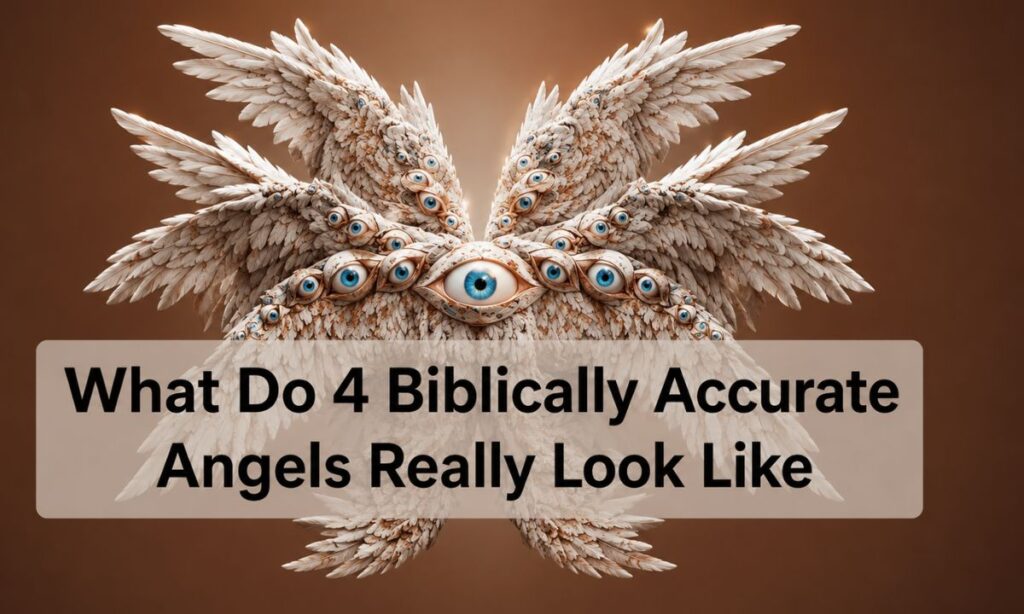
Ezekiel notices something even stranger: a wheel intersecting within another wheel, the famous wheels within wheels imagery. This design allowed movement in any direction without changing course. Both wheels were reportedly covered completely with eyes all around. This detail adds another layer of mystery to already strange imagery.
The eyes suggest awareness, perception, and constant watchfulness within these structures. Nothing about God’s throne room lacks purpose, even strange mechanical-looking wheels. This imagery reinforces themes of divine knowledge seen throughout Ezekiel’s visions. The wheels within wheels reveal complexity beyond simple human transportation concepts.
The Relationship Between Living Creatures and Cherubim
Later in Ezekiel, the prophet identifies the living creatures Revelation and Ezekiel both describe as cherubim directly. This connection clarifies that these mysterious beings share the same identity. Chapter ten repeats similar descriptions, confirming cherubim and living creatures overlap. Scripture seems to use different names for the same heavenly beings.
This relationship helps unify confusing angelic descriptions across different biblical books. Cherubim guarding Eden and cherubim in Ezekiel’s vision share core features. Multiple faces, wings, and constant motion connect these various appearances together. Recognizing this link helps readers see consistency within Scripture’s angelic descriptions.
General Angels: The Messengers Throughout Scripture
Beyond named archangels and strange creatures, Scripture describes countless general heavenly messengers. These beings appear throughout both Old and New Testament narratives regularly. They deliver messages, offer protection, and execute God’s specific commands. Their appearances range from dramatic to remarkably simple and understated.
General angels often remain nameless, identified only by their function or task. They visit prophets, protect believers, and sometimes bring devastating judgment too. Their frequent appearances show angelic beings in Scripture actively involved in human history constantly. These messengers remind us that God’s world includes constant unseen spiritual activity.
Angels Appearing in Human Form
Many biblical angels appear looking like ordinary human men, not glowing beings. Abraham hosts three visitors who turn out to be divine messengers. Lot encounters angels appearing completely human before Sodom’s destruction begins. This human disguise made angels approachable without immediate overwhelming fear.
Hebrews 13:2 warns believers they might entertain angels without even realizing it. This suggests angelic human disguises were common and convincing throughout Scripture. Their ordinary appearance contrasts sharply with the terrifying forms described elsewhere. This flexibility shows angels adapting appearance according to their specific mission.
The Mighty Acts Angels Perform
Angels throughout Scripture perform powerful acts beyond simple message delivery, true to their calling as heavenly warriors. They strike armies, close lions’ mouths, and free prisoners from locked cells. Angels destroyed Sodom and Gomorrah, executing God’s judgment directly and decisively. Their actions demonstrate strength far beyond typical human capability or achievement.
Psalm 103:20 calls angels “mighty ones” who obey God’s voice instantly. They fight spiritual battles, protect believers, and enforce heaven’s decrees on earth. Their mighty acts reveal angels as active agents, not passive heavenly observers. Scripture consistently portrays them as powerful instruments of God’s will.
Angels Holding Swords as Warriors
Scripture repeatedly depicts angels wielding swords as instruments of divine judgment, another vivid example of heavenly warriors in action. The angel guarding Eden carried a flaming sword that turned constantly. In Numbers, an angel confronts Balaam with a drawn sword blocking his path. These weapons show angels as active participants in spiritual warfare.
In 1 Chronicles, an angel stands over Jerusalem holding a sword extended. This image communicates impending judgment and God’s direct intervention in history. Revelation describes angels executing final judgment with similar weapon imagery too. These sword-bearing angels reveal a fierce, warrior-like side rarely shown in art.
Angels in the Life and Ministry of Christ
Angels appear consistently throughout Jesus Christ’s earthly life from beginning to end. They announce His birth, protect Him as an infant, and strengthen Him later. Their involvement shows how significant Christ’s mission was within heaven’s perspective. Angels treated Jesus’s arrival as history’s most important unfolding event.
These appearances weren’t scattered or random but strategically placed at key moments. Angels marked His birth, temptation, agony, resurrection, and eventual return promise. Their consistent presence emphasizes Jesus’s identity as central to God’s redemptive plan. Studying these moments reveals angels as active witnesses to Christ’s entire mission.
Angelic Announcements of Jesus’ Birth
Gabriel first appears to Zechariah, announcing John the Baptist’s miraculous coming birth. Later, in Luke 1, Gabriel visits Mary, announcing she would bear the Messiah himself. An angel also reassures Joseph, explaining Mary’s pregnancy through a comforting dream. These announcements mark the beginning of history’s most important arrival.
On the night of Jesus’s birth, angels appear dramatically to shepherds nearby. A multitude of the heavenly host suddenly praises God with powerful proclamations. Their message brings both fear and incredible joy to the frightened shepherds. These announcements confirm angels’ primary role delivering heaven’s most important news.
Angels Ministering to Jesus During His Earthly Life
After Jesus’s forty-day wilderness temptation, angels arrive to minister directly to Him. Matthew records this moment as physical and spiritual strengthening after exhaustion. Angels provided comfort following intense spiritual battle against the devil’s temptations. Their ministry shows care even for God’s own incarnate Son.
Later, during Gethsemane’s agony, an angel again strengthens Jesus before His arrest. Luke describes this angelic support during Christ’s most emotionally difficult moment. Jesus mentions He could summon twelve legions of angels if needed. This reveals angels’ constant readiness to assist and defend Him instantly.
Angels at the Resurrection and Ascension
When women arrive at Jesus’s tomb, they encounter angels announcing His resurrection, as recorded in Matthew 28. Matthew describes an angel with an appearance like lightning, dazzling white clothing. The angel rolls back the massive stone, sitting triumphantly upon it afterward. This scene marks history’s greatest victory, confirmed by angelic presence.
At Jesus’s ascension, two angels appear to the watching, astonished disciples. They ask why the disciples stare upward after Jesus’s departure into clouds. The angels promise Jesus will return exactly as He departed earlier. Angels bookend Christ’s earthly ministry with dramatic resurrection and ascension appearances.
Jesus’ Teaching About Angels and Judgment
Jesus frequently referenced angels while teaching about final judgment and eternity. He described angels separating the righteous from the wicked at judgment’s end. In Matthew 25, angels accompany Jesus during His glorious second coming. These teachings connect angels directly to humanity’s ultimate spiritual accountability.
Jesus also mentioned angels rejoicing whenever a single sinner repents genuinely. He taught that angels don’t marry, differing completely from human relationships. His teachings reveal angels as active participants in both judgment and celebration. Christ’s words give us direct insight into angels’ ongoing heavenly responsibilities.
Angelic Activity in Acts and the Early Church
Angels remain highly active throughout the book of Acts consistently. An angel frees Apostle Peter from prison, opening locked gates supernaturally. Another angel strikes down Herod for accepting worship as though he were divine. These moments show angels enforcing God’s justice within the early church.
An angel also directs Philip toward the Ethiopian eunuch’s significant conversation. Cornelius receives angelic instruction to send for Peter directly. These appearances guided major turning points in the gospel’s early expansion. Acts confirms angels remained actively involved after Christ’s ascension into heaven.
Angels Guiding the Spread of the Gospel
Angels played a strategic role directing the gospel’s expansion across new regions. They guided missionaries, opened doors, and confirmed God’s direction during crucial moments. Philip’s encounter with the Ethiopian eunuch began through direct angelic instruction. These appearances show heaven actively participating in the church’s early growth.
Their involvement wasn’t limited to dramatic rescues but included quiet, precise guidance. Angels directed specific meetings that led to significant conversions and turning points. This pattern reveals angels as coordinators behind history’s spiritual expansion story. Their guidance ensured the gospel reached exactly who God intended it to reach.
Angels Executing Divine Judgment
Angels frequently appear as agents carrying out God’s judgment against sin. Herod’s sudden death in Acts came directly through an angel’s intervention. Sodom and Gomorrah’s destruction involved angels executing devastating, decisive divine punishment. These moments show angels as instruments of both mercy and justice.
Revelation describes angels pouring judgment upon the earth during history’s final chapter. Their role in judgment reveals a serious, weighty side beyond simple messaging. Angels don’t just comfort or announce; they also actively execute consequences. This function reminds us angels serve God’s complete will, including judgment.
Paul’s Theological Insights About Angels
Apostle Paul references angels frequently while explaining deeper theological and spiritual truths. He mentions angels observing the church’s conduct, adding cosmic significance to behavior. Paul warns against worshipping angels, emphasizing Christ’s supremacy over all creation. His letters clarify angels’ proper place beneath Christ’s authority completely.
Paul also describes fallen angels, principalities, and powers opposing believers spiritually. Ephesians discusses spiritual warfare against these unseen, hostile heavenly forces directly. His writings balance angelic reality with clear warnings against improper angelic focus. Paul’s theology keeps angels important yet secondary to Christ’s central position.
Angels in the Book of Revelation
Revelation 4 and beyond contain more angelic activity than almost any other biblical book. Angels deliver messages, execute judgments, and worship constantly before God’s throne. Their presence intensifies as history moves toward its dramatic, final conclusion. This book reveals angels’ fullest, most powerful biblical portrayal overall.
Numerous angels appear holding trumpets, bowls, and other symbolic instruments of judgment. Others guard heaven’s gates or announce climactic events during earth’s final days. Revelation’s angelic activity ties together themes introduced throughout the entire Bible. Studying this book reveals angels’ ultimate role within God’s finished redemptive plan.
Seven Angels With Seven Trumpets
Revelation eight introduces seven angels each holding a distinct heavenly trumpet. Their trumpet blasts trigger devastating judgments affecting earth, sea, and sky. Each trumpet brings escalating destruction, building toward history’s climactic final events. These angels function as heaven’s appointed instruments of end-time judgment.
The trumpets bring hail, fire, plague, darkness, and other catastrophic consequences. Their sequence shows judgment intensifying with each successive angelic trumpet blast. This imagery echoes similar plague judgments seen earlier during Egypt’s biblical account. These seven angels demonstrate heaven’s structured, deliberate approach toward final judgment.
Angels Pouring Out God’s Wrath
Later in Revelation, seven angels receive bowls filled with God’s complete wrath. Each bowl poured brings intensified plagues across earth, sea, and humanity. This judgment represents the final, complete outpouring of divine anger. These angels finish what earlier trumpet judgments had already begun.
The bowls bring sores, blood, darkness, and finally history’s greatest earthquake. Babylon’s downfall follows shortly after these devastating angelic judgments conclude completely. This imagery shows angels bringing God’s patience to its determined end. Their actions confirm judgment’s certainty despite humanity’s continued refusal to repent.
Michael’s War Against the Dragon
Revelation 12 describes a dramatic war occurring between Archangel Michael and Satan directly. Michael leads heaven’s armies against the dragon and his rebellious angels. This battle results in Satan’s forceful expulsion from heaven completely. Michael’s role as warrior prince reaches its ultimate, climactic confrontation here.
This victory triggers celebration in heaven but increases trouble upon earth. Satan, now confined, pursues greater fury knowing his time grows short. Michael’s triumph demonstrates heaven’s ultimate authority over rebellious spiritual forces. This passage confirms angels’ active role within cosmic spiritual warfare completely.
The Angel Binding Satan
Revelation twenty describes an angel descending with a key and chain. This angel seizes Satan, binding him for exactly one thousand years. Satan is thrown into a bottomless pit, sealed completely shut. This act prevents him from deceiving nations during this specific period.
This binding shows angels possessing authority over even Satan himself directly. Their power comes entirely from God’s delegated authority, not independent strength. After the thousand years, Satan faces final, permanent judgment and defeat. This angel’s action demonstrates heaven’s complete control over evil’s ultimate timeline.
The Biblical Truth About Guardian Angels
Many people believe firmly in personal guardian angels in the Bible assigned to individuals. This idea draws partly from Psalm 91 and Matthew’s gospel account. Scripture suggests angels protect believers, though details remain somewhat limited overall. Popular culture has expanded this concept beyond what Scripture explicitly confirms.
The Bible shows angels protecting people without necessarily assigning one permanently. Jesus mentions children having angels who behold God’s face continually. This suggests some connection between individuals and angelic protection or care. However, Scripture never fully details how guardian angel assignments actually work.
What Scripture Actually Teaches About Personal Protection
Psalm 91 promises God will command angels to guard the faithful. This protection appears connected to trust in God rather than automatic assignment. Angels rescued Peter from prison, showing direct personal protective intervention occurring. These examples suggest genuine angelic involvement in an individual believer’s specific circumstances.
However, Scripture never explicitly says every single person receives one angel. This popular assumption goes beyond what biblical text actually confirms clearly. Protection seems tied to God’s sovereign will rather than fixed angelic assignment. Understanding this helps believers trust God’s protection without unbiblical assumptions or superstition.
Communal Versus Individual Angelic Ministry
Scripture emphasizes angels ministering to God’s people collectively more than individually. Israel received angelic guidance and protection as an entire covenant community. The church similarly experienced angelic assistance during collective moments of crisis. This communal pattern appears more consistently than individual guardian angel assignments.
Still, individual instances do occur, like angels helping specific people directly. Hagar, Elijah, and Peter each received personal angelic intervention and care. This balance suggests angels serve both broader communities and specific individuals. Recognizing both patterns gives a fuller, more balanced biblical understanding overall.
Angels Assigned to Nations and Groups
Daniel’s book describes powerful angelic princes assigned to specific nations directly. One angel represents Persia, while Michael represents Israel’s spiritual interests specifically. This suggests heavenly beings oversee earthly nations behind visible political events. Spiritual warfare occurs between these assigned princes over national affairs.
This concept reveals a hidden structure governing international spiritual conflict constantly. Daniel 10 shows delays caused by resistance from opposing angelic princes. This suggests earthly history connects directly to unseen heavenly spiritual battles. Nations may have spiritual representatives influencing events beyond human perception entirely.
Satan’s Fall and the Origin of Fallen Angels
Satan wasn’t created evil but fell from an originally exalted heavenly position. Scripture suggests he once held tremendous beauty, wisdom, and angelic authority. His rebellion against God transformed him from a glorious being into humanity’s enemy. This fall introduces evil’s origin within the broader angelic spiritual realm, closely tied to biblically accurate demons.
Isaiah and Ezekiel provide poetic descriptions often applied to Satan’s original fall. These passages describe pride, ambition, and desire to become like God. His rebellion apparently influenced other angels who joined his defiant uprising. This fall explains the existence of demons opposing God’s kingdom today.
Satan as a Fallen Cherub
Ezekiel twenty-eight describes a being covered with precious stones and perfect beauty. Many scholars interpret this passage as describing Satan’s original angelic identity directly. He’s identified as an anointed cherub who once walked among fiery stones. This suggests Satan held prestigious status before his dramatic rebellion occurred.
This cherub position implies closeness to God’s throne and glorious presence. His beauty and wisdom became corrupted through pride and selfish ambition eventually. Ezekiel describes his fall as violent, sudden, and completely self-inflicted. This passage reveals even highly ranked angels can rebel against God’s authority.
The Meaning of ‘Satan’ and ‘Lucifer’
The name “Satan” means adversary or accuser in Hebrew language origin. This title reflects his ongoing opposition against God and His people directly. “Lucifer” comes from Latin, meaning morning star or light-bearer specifically. This name appears in Isaiah, describing a king’s prideful fall poetically.
Many theologians connect Lucifer’s poetic description to Satan’s original heavenly glory. His name suggests he once reflected God’s brilliant light and majesty. Through rebellion, this light-bearer became darkness’s primary source and origin. Understanding these names reveals Satan’s tragic transformation from glory into corruption.
Pride as the Root of Angelic Rebellion
Scripture consistently identifies pride as rebellion’s fundamental underlying spiritual cause. Satan desired equality with God rather than remaining content serving faithfully. Isaiah describes this ambition through repeated statements declaring “I will” defiantly. This self-exalting attitude directly triggered his catastrophic fall from heaven.
Pride convinced Satan his glory belonged to himself rather than God. This same pride apparently influenced other angels who followed his rebellion. Their fall demonstrates how quickly pride can corrupt even glorious beings completely. This warning extends beyond angels, applying directly to human pride today.
Other Fallen Angels: Demons and Spiritual Rebellion
Beyond Satan, Scripture describes numerous other angels joining his rebellious uprising, forming what many now call biblically accurate angels and demons. These fallen beings became demons, opposing God’s kingdom and His faithful people. Jude and Apostle Peter both reference angels who abandoned their proper heavenly position. Their rebellion resulted in judgment, chains, and eventual eternal condemnation awaiting them.
Demons now work actively promoting deception, temptation, and spiritual opposition constantly. They oppose believers, influence nations, and spread falsehood throughout human history. Jesus frequently cast out demons, demonstrating His authority over these rebellious spirits. This ongoing conflict reveals spiritual warfare continuing between good and fallen angels.
The Sons of God in Genesis Six
Genesis six mentions mysterious “sons of God” marrying human women directly. Many scholars interpret this phrase as referring to fallen angelic beings specifically. Their union produced Nephilim, described as powerful giants inhabiting the ancient earth. This passage remains one of Scripture’s most debated and mysterious accounts.
This rebellion contributed significantly toward humanity’s growing wickedness before the flood. God’s judgment through the flood addressed this widespread corruption and rebellion. Jude references these angels as currently bound, awaiting final future judgment. This passage connects fallen angels directly to catastrophic pre-flood human history.
Angels Bound in Chains of Darkness
Jude and Peter both describe fallen angels currently bound in chains. These angels didn’t remain free but awaited judgment in darkness specifically. Their rebellion, likely connected to Genesis six, resulted in immediate divine restraint. This imagery shows God’s authority extending completely over rebellious spiritual beings.
Unlike Satan, who remains temporarily active, these angels face immediate confinement. Their binding demonstrates varying degrees of judgment among fallen angelic beings. Some rebellious spirits operate freely, while others remain restrained until judgment day. This distinction reveals complexity within Scripture’s fallen angel judgment timeline.
Demons and Unclean Spirits in the New Testament
The New Testament frequently describes demons afflicting people through possession and torment, offering a fuller picture of biblically accurate demons. Jesus repeatedly cast out unclean spirits, demonstrating authority over spiritual darkness. These encounters reveal demons causing physical illness, mental torment, and spiritual bondage. Their activity confirms ongoing spiritual warfare continuing throughout Christ’s earthly ministry.
Disciples later received authority to cast out demons in Jesus’s name. This power extended beyond Christ alone into His followers’ ongoing ministry. Demons recognized Jesus’s authority immediately, often crying out fearfully during encounters. These accounts confirm unclean spirits remain active, opposing forces within spiritual reality.
Frequently Asked Questions
What do biblically accurate angels really look like?
Biblically accurate angels often have multiple wings, faces, and eyes, appearing strange and powerful rather than soft or human-like.
Are angels in the Bible scary or comforting?
Most biblical angels caused fear at first, often saying “fear not” to calm terrified witnesses.
What is the true meaning of the word angel?
The word “angel” means messenger, coming from the Greek word “angelos” and Hebrew word “malak.”
Do angels have wings according to the Bible?
Yes, many biblical angels have wings, though the number and appearance vary between seraphim, cherubim, and other beings.
Who are the archangels mentioned in Scripture?
Michael and Gabriel are the two angels specifically named as archangels or chief messengers in the Bible.
What is the difference between cherubim and seraphim?
Cherubim are multi-faced guardians of holy places, while seraphim are fiery worshippers surrounding God’s throne.
Does every person have a guardian angel?
Scripture suggests angelic protection exists, but it never explicitly confirms one personal guardian angel per individual.
What caused Satan to fall from heaven?
Pride and rebellion against God’s authority caused Satan’s fall from his original angelic position.
Can angels appear as ordinary humans?
Yes, Scripture describes angels appearing as normal men, as seen with Abraham’s three mysterious visitors.
What role do angels play in the end times?
Revelation describes angels delivering trumpets, pouring judgment bowls, and defeating Satan during history’s final events.
Conclusion
The Bible paints a picture of biblically accurate angels far removed from popular culture’s soft imagination. These beings are powerful messengers, fierce warriors, and constant worshippers before God’s throne. From cherubim guarding Eden to seraphim declaring holiness, their forms often defy simple description. Named angels like Michael and Gabriel reveal structure and purpose within heaven’s angel hierarchy. Fallen angels remind us that even glorious beings can rebel through pride. Understanding their true nature deepens our appreciation for Scripture’s spiritual depth and reality.
Studying angels in the Bible ultimately points us back toward God’s power, holiness, and unfolding redemptive plan. These beings exist not for their own glory but to serve their Creator faithfully as devoted ministering spirits. Their appearances throughout Scripture mark significant moments, from Christ’s birth to His promised return. Recognizing their real, biblical nature helps believers avoid unbiblical assumptions drawn from movies or folklore. It also strengthens our awareness of the unseen spiritual world surrounding daily life. Ultimately, angels direct our attention away from themselves and toward the God they faithfully serve.

Hammad SEO is a digital marketing specialist focused on search engine optimization, prayer bible, and content strategy. He helps brands grow online visibility through data-driven SEO and engaging content.
