

Many people ask, “Who is Mazikeen in the Bible?” after hearing the name from shows or books. The name sounds mysterious and a little dark to some ears, often stirring curiosity about Mazikeen biblical meaning. It often gets linked to demons or spirits in old Jewish folklore. This article looks closely at where the name Mazikeen truly comes from and explores Mazikeen origin in depth. It separates fact from fiction using real biblical and historical sources. By the end, you will understand what spirit, if any, stands behind this name, and whether Mazikeen is a real demon.
Mazikeen is not a name found directly in the Bible itself, despite frequent searches for Mazikeen in the Bible. Instead, it comes from Jewish folklore and later rabbinic writings tied to ancient demonology. The word relates to “mazikin,” a term used for mischievous or harmful spirits in Hebrew mythology. Many confuse this folklore term with true biblical demonology and demons in the Bible. This article explains that difference clearly and simply, covering Mazikeen mythology explained from the ground up. It also explores what Scripture actually teaches about spirits, biblical demons, and darkness.
Is Mazikeen a Real Demon?
Mazikeen is not a real demon found in the Bible, despite how often people ask “Is Mazikeen a real demon?” She does not appear in the Old or New Testament in any form. The idea of Mazikeen comes from later Jewish folklore, not Scripture itself, which shapes her true biblical origin. Many people confuse folklore spirits with real biblical demons and biblical references to evil spirits. This confusion often grows stronger through modern television and comics. Understanding the difference helps clear up much of the mystery behind Mazikeen demonology.
The term “mazikin” refers to a class of spirits in Jewish tradition and Jewish folklore, not one single demon. These spirits were believed to cause mischief rather than true evil, unlike typical biblical demons. They differ greatly from the demons described in biblical accounts and biblical history. Mazikeen, as a fictional character, borrows this folklore idea loosely for her demon mythology. She was shaped more by storytelling and comic book character origin than by any sacred text. This makes her closer to legend and supernatural folklore than to biblical truth.
What the Talmud Says About Mazikin
The Talmud briefly mentions mazikin as unseen spirits living among people, an early piece of Mazikeen biblical origin research. These spirits were thought to cause small troubles or accidents. Rabbis discussed them as part of a larger unseen supernatural world tied to religious traditions. The Talmud does not describe them as powerful demons or biblical demons. Instead, they were more like unpredictable, invisible forces within Hebrew mythology. Their role stayed vague throughout most ancient discussions and religious symbolism.
Jewish scholars often debated how real or symbolic these spirits were within occult mythology. Some viewed mazikin as literal beings living in shadows and empty spaces. Others saw them as symbols for fear and misfortune, part of broader ancient demonology. The Talmud never gives them a clear, fixed identity or spiritual being status. This vagueness allowed later writers to reshape the idea freely into Mazikeen mythology. Modern fiction eventually borrowed this loose concept for new legendary beings and characters.
Mazikeen Mythology
Origins in Jewish Folklore
Mazikeen’s name draws loosely from Jewish folklore about mischievous spirits, forming the core of her Mazikeen origin story. These spirits were part of a wider unseen world in Jewish belief and religious traditions. Communities used stories about mazikin to explain strange or unlucky events through supernatural folklore. The folklore stayed mostly oral and informal for centuries. It rarely appeared in official religious teaching or biblical references. This kept the idea flexible and open to reinterpretation within Mazikeen demon mythology.
Over time, mazikin became linked to broader ideas about spirits and demons across ancient mythology. Jewish folklore often blended fear, humor, and caution into these stories about supernatural beings. Parents sometimes used mazikin tales to warn children about danger. This folklore never claimed to be biblical doctrine or biblical demonology. It stayed a cultural tradition passed through generations, part of Jewish folklore and religious symbolism. Later writers found this open tradition easy to adapt into fiction, giving rise to Mazikeen character origin.
The Folklore Story
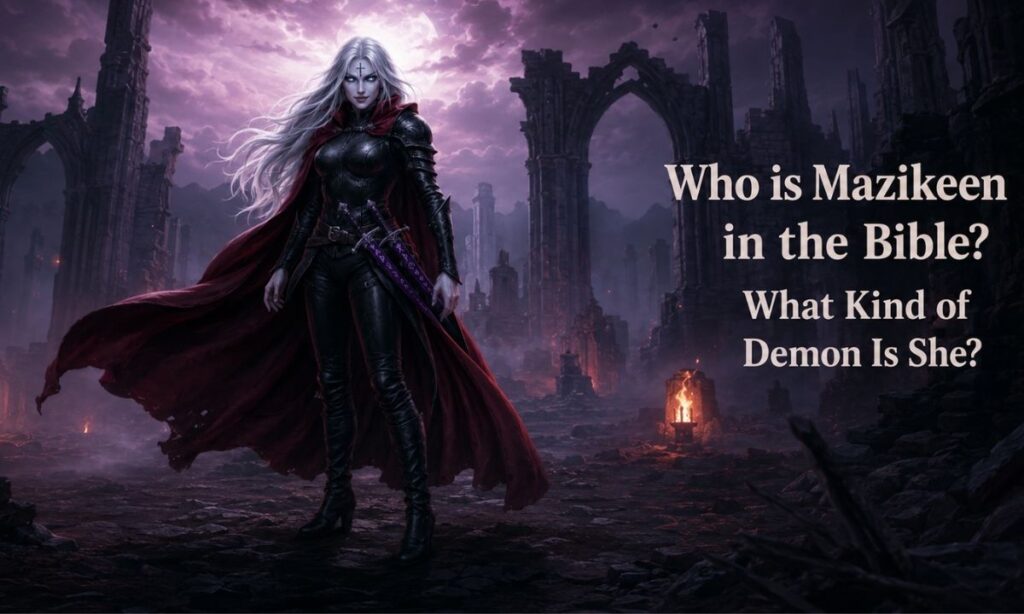
The folklore story of mazikin describes spirits living just out of human sight, an early root of Mazikeen folklore. They were said to cause small, everyday troubles as part of ancient mythology. Some tales claimed they lived in dark corners or abandoned spaces. Other stories linked them to accidents or sudden bad luck tied to supernatural character legends. These spirits were not viewed as purely evil beings or biblical demons. They were closer to unpredictable tricksters than fearsome demon mythology figures.
This folklore story never centered on one single named spirit, unlike the fictional character Mazikeen. It described a whole category of minor, mischievous supernatural beings. Writers later needed one clear character for storytelling purposes, leading to her origin story. They took this folklore idea and shaped it into Mazikeen, a distinct fictional character. This gave the vague tradition a face and a name rooted in Hebrew mythology. The result became far more defined than the original folklore ever was.
Understanding the Origin of the Name Mazikeen
The name Mazikeen comes directly from the Hebrew word “mazikin,” central to any discussion of Mazikeen origin. This word describes a group of minor, mischievous spirits in Jewish tradition and Hebrew mythology. Writers adapted the plural folklore term into a single character’s name for her character history. This choice gave her an ancient, mysterious feel tied to Mazikeen biblical meaning. It also connected her loosely to real cultural history and religious symbolism. However, the name itself was never used this way in ancient texts or biblical references.
Fans often assume the name carries a fixed Mazikeen biblical meaning. In truth, it reflects a broad folklore category, not one figure from demons in the Bible. This makes her origin more linguistic than religious, despite her demon name. Understanding this helps separate fact from popular assumptions about Mazikeen biblical origin. The name still carries weight through its folklore roots and Jewish folklore traditions. It just does not point to a specific biblical demon or biblical references.
Cultural and Spiritual Significance of the Name Mazikeen
The name Mazikeen carries cultural weight tied to Jewish spiritual tradition and Mazikeen spiritual meaning. It reflects old beliefs about unseen forces shaping daily life through ancient demonology. This connection gives the name a sense of mystery and depth rooted in religious traditions. Many find this background adds meaning to the character herself as a supernatural character. It roots her in something older than modern fiction alone. This cultural layer makes her more than just an invented demon name.
Spiritually, the name touches on ideas of hidden struggle and unseen influence, part of her broader spiritual being symbolism. It reflects how ancient cultures explained fear and misfortune through occult mythology. This gives Mazikeen’s story a symbolic weight beyond entertainment and religious symbolism. Readers often see her as representing inner battles, not just outer evil spirit themes. This layered meaning keeps interest in her name strong within Mazikeen mythology. It blends ancient folklore with modern storytelling themes and comic book character traditions.
Who Is Mazikeen in Sandman?
In modern fiction, Mazikeen appears as a fierce and loyal demon character within the Mazikeen comics tradition. She often serves alongside other well-known figures from similar stories, including a Mazikeen Lucifer character dynamic. Her role centers on strength, loyalty, and complicated morality as a fictional demon. She is not simply evil, despite her demonic origins and fictional character status. Writers gave her deep emotional layers and personal history as part of her character origin. This makes her stand out among typical supernatural character types.
Her character often explores themes of freedom and self-identity throughout her origin story. She questions her role as a demon throughout her story arcs across various comics. This complexity draws many readers and viewers to her character history. She feels more human than purely monstrous, unlike typical biblical demons. This creative choice reflects modern storytelling trends and comic book character development. It moves her far from any single ancient definition found in demons in the Bible.
What Kind of Demon Is Mazikeen in the Bible?
Closest Biblical Parallels
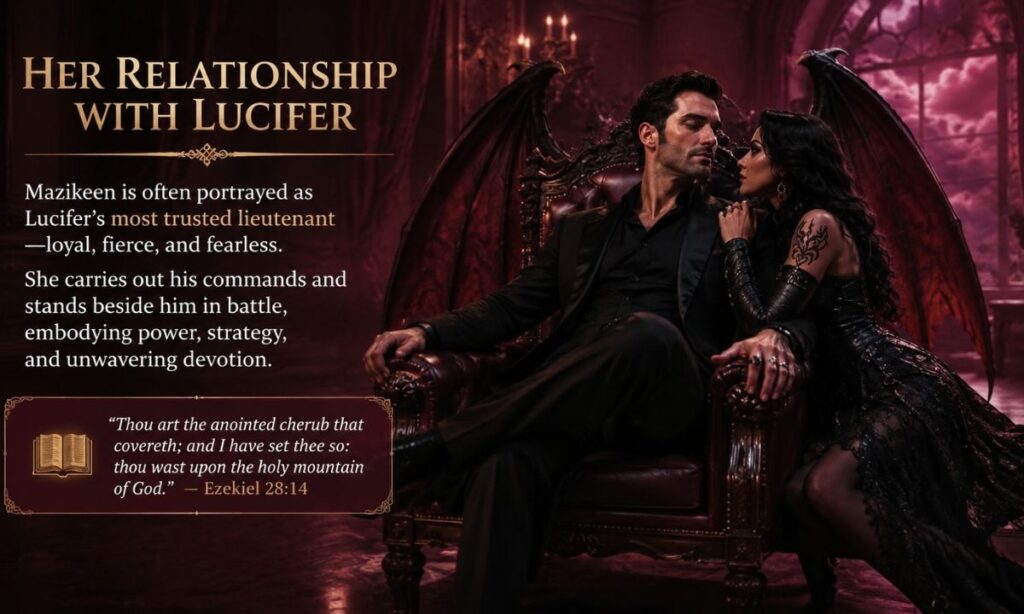
While Mazikeen has no direct biblical link, certain themes offer loose biblical parallels tied to biblical demons. The Bible describes fallen spirits with roles similar to trickster figures found in ancient demonology. “For we wrestle not against flesh and blood, but against principalities, against powers” (Ephesians 6:12, KJV) shows Scripture’s view of unseen spiritual forces and spiritual beings. This verse reflects the idea of hidden spiritual battles found in biblical references. It does not name any figure like Mazikeen or Lilim directly.
Other loose parallels include general biblical warnings about deception and spiritual conflict, part of biblical demonology. These passages speak broadly, not about one specific biblical demon or evil spirit. Readers may see thematic similarities in struggle and darkness within ancient mythology. However, no verse offers a true one-to-one match to Mazikeen’s real name or story. This keeps Mazikeen firmly in the realm of fiction and supernatural folklore. Biblical parallels remain thematic, not factual, when it comes to Mazikeen biblical origin.
Mazikeen of Lilith
Some stories connect Mazikeen’s origins to Lilith, a well-known figure in Lilim mythology. Lilith appears in Jewish legend as a rebellious spirit or demon tied to Lilith demonology. This connection adds another mythological layer to Mazikeen’s background as Mazikeen of the Lilim. It ties her more deeply into ancient Jewish storytelling traditions and Hebrew mythology. Writers often use Lilith’s legend to add depth to demon characters and Mazikeen Lilim lore. This choice strengthens Mazikeen’s folklore roots and supernatural folklore ties.
Lilith herself is not found directly in the Bible either, despite common searches for Lilith in the Bible. She comes from later Jewish legend and rabbinic commentary, much like biblical references to Lilith biblical references. Linking Mazikeen to Lilith blends two folklore traditions together within Lilim mythology. This creates a richer, more layered backstory for her fictional demon character. It does not, however, create any real biblical connection or biblical history. Both figures remain rooted in legend, not Scripture, despite their shared demon mythology.
Who Is the Father of Mazikeen?
In fictional stories, Mazikeen’s exact parentage is often left mysterious or unclear, adding intrigue to her character origin. Some versions hint at demonic origins tied to hell itself and ancient demonology. Writers rarely give her a clearly named father figure within her origin story. This mystery adds intrigue to her overall character as a fictional demon. It also keeps her background open for creative storytelling and comic book character development. Different adaptations may handle this detail differently across Mazikeen comics.
This lack of clear parentage reflects her folklore-based origins tied to Jewish folklore. Ancient mazikin spirits were never tied to specific family lines or biblical history. Writers likely kept this vague on purpose for creative freedom in her character history. It allows her character to stay mysterious and adaptable as a supernatural character. Fans often speculate, but no fixed answer exists about her real name or lineage. This remains one of her more open-ended story details within Mazikeen mythology.
Her Relationship with Lucifer
Loyal Demon
Loyalty stands as one of Mazikeen’s strongest character traits in fiction, central to her Mazikeen Lucifer character dynamic. She sticks by those she trusts, even during hard times, as a loyal fictional demon. This loyalty often surprises others who expect only cruelty from a typical biblical demon. Writers use this trait to humanize her character within her origin story. It creates emotional depth beyond typical demon stereotypes found in ancient demonology. Readers often connect with this unexpected loyalty from a supernatural character.
Her loyalty is not blind or without limits, however, even toward a Lucifer-like figure. She questions decisions and pushes back when needed, showing her independence. This balance keeps her feeling realistic and strong-willed as a fictional character. It shows loyalty paired with independence, not weakness, within her character history. This combination makes her a compelling character overall in Mazikeen comics. It remains a key reason fans connect with her story and origin.
Strong and Independent Woman
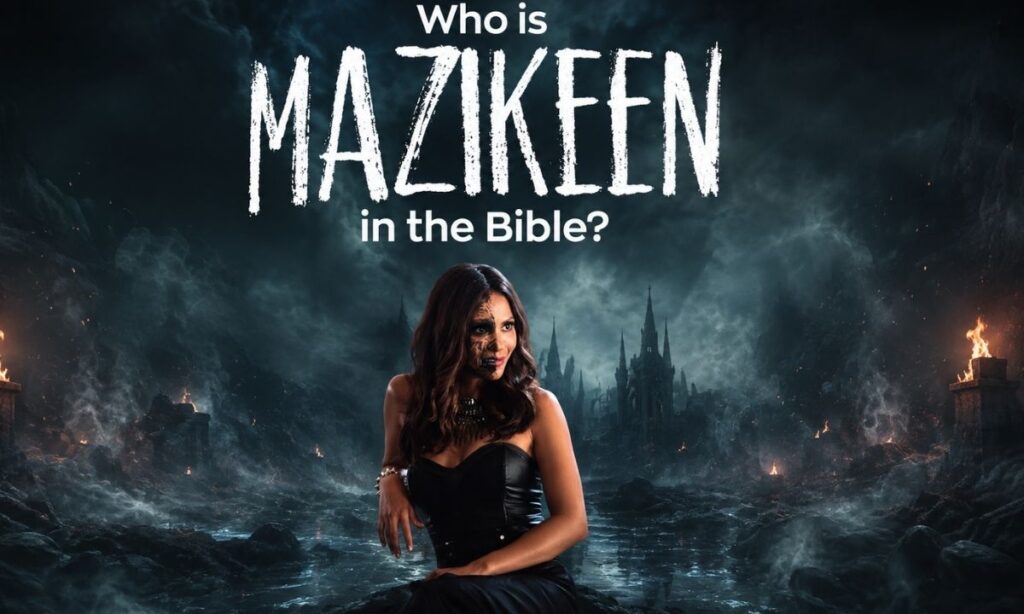
Mazikeen is often portrayed as a fiercely independent and strong character within her comic book character arc. She makes her own choices, even against expectations, unlike a passive spirit mythology figure. This independence sets her apart from more passive supporting characters. Writers use her strength to challenge typical demon stereotypes and biblical demon expectations. She often leads her own storylines and decisions across Mazikeen comics. This makes her feel powerful and self-directed as a supernatural character.
Her independence also shows through her personal growth over time and character history. She questions her past and seeks her own identity beyond her demon name. This journey adds emotional weight to her strong exterior as a fictional demon. It shows strength as more than just physical power within ancient mythology themes. Her character balances toughness with real vulnerability as a legendary being. This mix makes her feel fully developed rather than one-dimensional.
Complexities of Existence
Mazikeen’s story often explores what it means to exist between two worlds, a theme common in demon mythology. She is neither fully evil nor fully good in her portrayal as a fictional demon. This complexity reflects deeper questions about identity and choice within her character origin. Writers use her character to explore moral gray areas beyond typical biblical demons. She struggles with where she truly belongs as a supernatural being. This makes her story more layered than a simple demon mythology tale.
Her existence also raises questions about change and self-definition throughout her origin story. She is not locked into one fixed role throughout her story across various comics. This growth shows that identity can shift over time, even for a spiritual being. It reflects real human struggles through a fictional lens tied to supernatural folklore. Readers often see parts of themselves in this complexity as a legendary being. This depth keeps her character memorable and relatable within Mazikeen mythology.
Mazikeen Demon Face
What Happened to Mazikeen’s Face?
In her fictional backstory, Mazikeen’s face bears scars from a difficult past, a detail tied to her character history. Different versions of her story explain this in slightly different ways across Mazikeen comics. Generally, it ties back to punishment or personal struggle within demon mythology. This detail adds a layer of pain to her tough exterior as a fictional demon. It shows that her strength came through hardship within her origin story. This backstory deepens her overall character arc as a supernatural character.
The scars often symbolize resilience rather than just suffering for this legendary being. She does not hide or feel ashamed of this part of herself as a strong fictional character. This choice reflects her larger theme of self-acceptance within her character origin. Writers use this detail to show growth through pain across her story arcs. It reminds readers that appearance does not define worth, even for a demon character. This remains one of her more emotionally resonant story elements in Mazikeen mythology.
The Bigger Picture: Mazikeen’s Cultural Impact
Why She Resonates
Mazikeen resonates because she feels real despite her fantastical origins as a comic book character. Her struggles with identity and loyalty reflect common human experiences beyond typical supernatural folklore. Audiences relate to her mix of toughness and vulnerability as a fictional demon. This balance makes her feel more than just a fictional character rooted in ancient mythology. She reflects real emotional complexity many readers understand through her character history. This connection keeps her character memorable long after each story ends.
She also resonates through her strength and independence as a supernatural character. Many viewers appreciate seeing a strong female figure with real depth, unlike typical biblical demons. Her story avoids simple good-versus-evil framing common in ancient demonology. This complexity feels more honest and engaging within Mazikeen mythology. It reflects broader shifts toward richer character writing in comic book character traditions. This depth explains her lasting popularity among fans of Mazikeen comics.
Themes She Embodies
Mazikeen’s story embodies themes of identity, loyalty, and self-acceptance central to her character origin. She constantly questions who she is beyond her demon name and demonic label. This theme runs through nearly every part of her character arc across Mazikeen comics. It gives her story emotional depth beyond typical fantasy tropes and supernatural folklore. Readers often connect with this search for identity as a fictional character. This theme remains central to her overall appeal within Mazikeen mythology.
She also embodies resilience through hardship and personal growth as a legendary being. Her scars and past struggles shape her strength over time within her origin story. This theme shows that pain can lead to deeper self-understanding, even for a supernatural character. It reflects a hopeful message despite her dark origins tied to ancient demonology. This combination of struggle and growth defines her character fully as a fictional demon. It remains one of the most meaningful parts of her story and character history.
Frequently Asked Questions
Who is Mazikeen in the Bible?
Mazikeen does not appear in the Bible. She comes from Jewish folklore about mischievous spirits called “mazikin,” not from Scripture.
Is Mazikeen a real biblical demon?
No, Mazikeen is not a real biblical demon. She is a fictional character inspired loosely by Jewish folklore, not by biblical text.
What does the name Mazikeen mean?
Mazikeen comes from the Hebrew word “mazikin,” referring to minor, mischievous spirits believed to cause everyday trouble.
What spirit is behind the name Mazikeen?
No single spirit stands behind the name. It reflects a broad folklore category of unseen, trickster-like spirits, not one named entity.
Does the Talmud mention Mazikeen?
The Talmud mentions “mazikin” as minor spirits causing mischief. It does not describe a single demon named Mazikeen.
Is Mazikeen connected to Lilith?
Some fictional stories link Mazikeen to Lilith, a folklore figure. This connection comes from storytelling, not from any biblical source.
Who created the character Mazikeen?
Mazikeen was created by modern writers who adapted old Jewish folklore about mazikin spirits into a full fictional character.
Why is Mazikeen linked to demons in fiction?
Writers used the folklore idea of mischievous spirits to build a demon character with emotional depth and a complex backstory.
Does Mazikeen appear in Jewish religious texts?
Mazikeen as a character does not appear in Jewish religious texts. Only the general term “mazikin” appears in later rabbinic writings.
Is Mazikeen based on a true biblical story?
No, Mazikeen is not based on a true biblical story. Her character comes from folklore-inspired fiction, not from Scripture itself.
Conclusion
Mazikeen is not a figure found anywhere in the Bible, despite frequent searches for Mazikeen biblical meaning. Her name and story come from Jewish folklore about minor spirits called mazikin. Writers later shaped this loose folklore idea into a full fictional demon character with a rich character origin. She carries no direct biblical meaning, despite her mysterious and dark demon name. Her true roots lie in legend, ancient demonology, and modern storytelling, not Scripture.
Understanding this helps separate fact from popular fiction and mythology. Mazikeen’s real value lies in her complex, human-like character traits as a supernatural character. She reflects themes of loyalty, identity, and resilience through her fictional character journey. While she carries no biblical weight, her story still resonates deeply with many readers of Mazikeen comics. In the end, Mazikeen remains a powerful creation of folklore and imagination, not biblical truth.

Hammad SEO is a digital marketing specialist focused on search engine optimization, prayer bible, and content strategy. He helps brands grow online visibility through data-driven SEO and engaging content.
