

Fireworks and the Fourth of July go hand in hand. But Fourth of July fireworks laws are shifting. Firework laws are changing in 2026, and new fireworks regulations are rolling out in many places. Some towns have banned certain types of fireworks. Others have changed where and when you can use them. If you plan to celebrate, you need to know what has changed.
What are the new firework laws for 2026? The answer depends on where you live. Local fireworks laws and restrictions can differ from one town to the next. What was legal last year may not be legal now. Illegal fireworks penalties can be high. Some places also ban fireworks during dry or windy weather. A quick check now can save you stress later. Read on to learn what to look for before the holiday.
Why Firework Regulations Are Getting Stricter
Fireworks look fun, but they carry real risk. Every year, emergency rooms treat burns and hand injuries around the Fourth of July. Fire crews also respond to many more calls on that day. Lawmakers see these numbers and feel pressure to act. So why are fireworks regulations getting stricter? Fireworks public safety laws are a big reason.
Climate plays a part too. Many regions face hotter summers and longer dry spells. Dry grass and brush catch fire fast. One stray spark can start a blaze that spreads for miles. Local leaders want to stop that before it begins. Many pass local government fireworks ordinances for this reason.
Noise and safety complaints add to the push. Pets get scared. Veterans and young children can struggle with loud blasts. Neighbors argue over late-night shows. Cities respond with consumer fireworks restrictions that set clear limits on when and where fireworks can be used.
The Rise of Social Host Ordinances
A social host ordinance for fireworks holds the host responsible for what happens at a gathering. Many cities first used these laws for underage drinking. Now some use the same idea for fireworks. The person who owns or controls the property can face the penalty. It does not matter who lit the fuse.
Can homeowners be held responsible for illegal fireworks? In many places, yes. Fireworks fines for homeowners can apply even for a guest’s actions. Renters and landlords can be pulled in as well. Illegal fireworks on private property can turn a party into a legal problem. You may pay even if you never touched a firework.
The goal is simple. Cities want hosts to take charge of their own events. Some also hold parents responsible, since fireworks laws for minors often point back to the adult in charge. Before you invite friends over, check your local law. A short call to city hall can save you money.
The Firework Ban: A Growing Trend
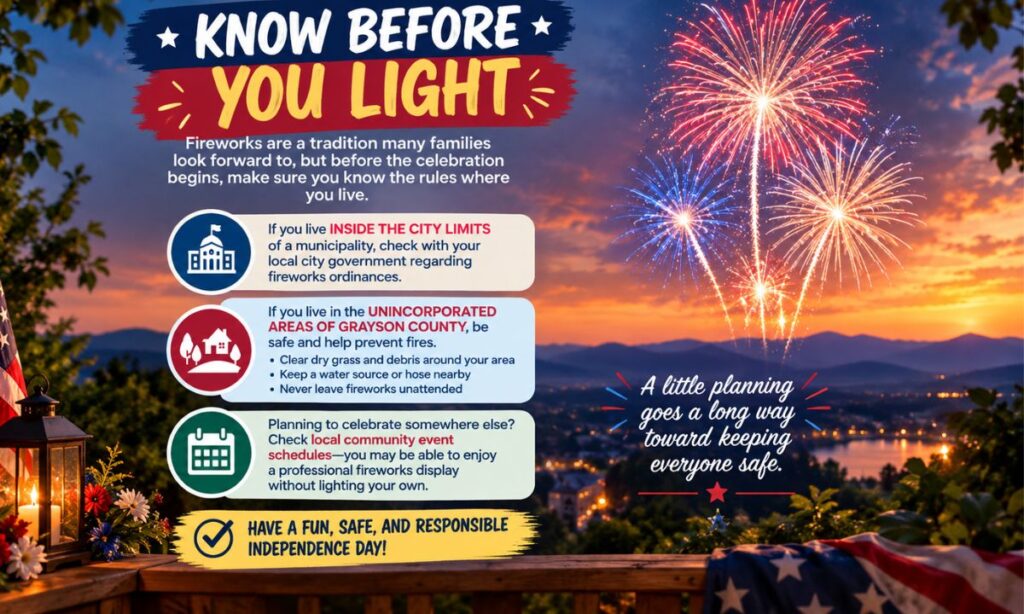
More cities and counties are passing fireworks ban laws. Some bans last all year. Others apply only in the weeks around July 4. Officials often point to fire danger and injury rates. That is why cities are banning consumer fireworks. Public support for bans has grown in many areas.
Bans often start small. A town may first ban only aerial fireworks. Later it may expand the rule to cover everything. Other places move straight to a complete fireworks ban. It depends on local fire risk and past incidents.
State law and local law do not always match. Fireworks laws by state can look very different from your city’s rules. Are fireworks legal in my state? Maybe, but your city may still say no. In that case, the stricter rule usually wins. Do not assume a legal store means legal use. Always check your own town’s rules.
What a Full Firework Ban Looks Like
A full ban covers nearly every kind of consumer firework. That can include sparklers, fountains, and firecrackers. Are sparklers legal under a fireworks ban? Often, no. Some bans also cover buying, selling, and storing them. Check the exact wording of your local code. The details matter.
Public shows are often still allowed. Are public fireworks displays allowed during a fireworks ban? Usually yes, with fireworks permit requirements. Trained crews with permits run these events. Fireworks restrictions for public displays are strict, so crews follow safety steps and keep crowds at a distance. This is why many officials tell residents to watch a show instead.
Fireworks law enforcement can be strict. How do local governments enforce fireworks restrictions? Police and fire crews may patrol on busy nights. Some cities have tip lines for reports. Fireworks can be seized on the spot. You may also get a fireworks citation and penalties.
Escalating Penalties for Repeat Offenders
Many places now punish repeat fireworks violations more harshly. Fireworks ordinance violations often follow a clear ladder. A first offense may bring a small fine. A second one costs more. A third can bring much steeper penalties. Some cities treat it as a serious matter after that.
Fines are not the only risk. Fireworks fines and legal consequences can include paying for damage if fireworks start a fire. You could face a civil lawsuit. Fireworks injury liability can also fall on you if someone is hurt. Insurance may not cover every loss. The total bill can climb fast.
Serious cases can lead to criminal charges. Can you go to jail for setting off illegal fireworks? In some places, fireworks laws and jail penalties do apply. This is more likely when someone is hurt or property burns. A simple mistake can turn into a long legal fight. Knowing the rules ahead of time is your best protection.
“Safe and Sane” vs. Full Prohibition
“Safe and sane” fireworks are a limited group of products. They usually stay on the ground. They do not shoot up or explode in the air. Fountains and sparklers are common examples. Some places allow them under safe and sane fireworks regulations while banning everything else.
Full prohibition is stricter. It bans all consumer fireworks, even the mild ones. There is no gray area to argue over. If it sparks, it is not allowed. Many cities choose this to keep things simple.
The labels can be confusing. A product may be sold nearby but banned in your town. Packaging does not always tell you the local rule. How can I check fireworks laws in my area? Ask your city or fire department before you buy. Do not guess.
Fireworks and Road Safety: An Overlooked Risk
Fireworks do not only cause harm at home. They affect the road too. Fireworks-related traffic accidents often start with a simple distraction. Can fireworks distract drivers on the Fourth of July? Yes. Smoke can drift across a street and block a driver’s view. Bright flashes and loud bangs can make a driver flinch.
Holiday nights also bring more drivers on the road. Many are headed to shows or parties. Some are tired or have been drinking. Add fireworks to that mix and the risk goes up. Police often add patrols for this reason, and Independence Day fireworks regulations often reflect that.
Some cities now list road safety as a reason for new rules. Fourth of July fireworks safety rules often target the street. Lighting fireworks near a street can be a violation by itself. Setting them off from a car or parking lot is often banned. These rules protect drivers and walkers alike. They also cut down on emergency calls.
How Fireworks Cause Accidents
How do fireworks cause road accidents? A firework can land on or near a moving car. A driver may swerve in panic. That can cause a crash with other cars. Pedestrians can also be hit by stray rockets. It happens faster than most people expect.
Thick smoke is another danger. On a calm night, it can hang low over a road. Visibility drops in seconds. Drivers may not see a person crossing. They may not see a stopped car ahead.
Animals add to the risk. Frightened pets can bolt into traffic. Wildlife can run onto roads too. Drivers may not have time to react. What safety rules should people follow on Independence Day? Keep fireworks well away from roads, and keep pets indoors.
How an Experienced Attorney Can Help

Firework laws can be hard to read. Local fireworks laws and restrictions change from city to city and year to year. How do fireworks laws differ between states and cities? An attorney can explain what applies to you. They know how local codes work in practice. This helps you avoid problems before they start.
If you already got a citation, a lawyer can review it. They can explain the legal consequences of using illegal fireworks in your area. They check whether the stop or the charge was handled correctly. They may negotiate a lower fine. In some cases, they can work to get the charge reduced or dismissed. That can protect your record.
A fireworks personal injury attorney is also useful if someone was hurt or property was damaged. How can fireworks-related injuries lead to legal claims? Through insurance disputes and civil suits. A lawyer can guide you through claims and fireworks accident compensation. They can explain your rights and your risks. Do not wait until things get worse. Talk to a licensed attorney in your area as soon as you can.
Frequently asked questions
Are fireworks legal on the Fourth of July?
It depends on where you live. Fireworks laws by state and city can differ. Some places allow certain fireworks, while others ban them fully.
Why are firework laws changing?
Lawmakers want to cut down on injuries, fires, and noise complaints. Dry weather and public pressure also play a part, so new fireworks regulations keep coming.
Can I get fined for fireworks at my own house?
Yes, in many places you can. Fireworks fines for homeowners can apply even in your own yard.
What are “safe and sane” fireworks?
These are ground-based products like fountains and sparklers. They do not shoot up or explode in the air. Safe and sane fireworks regulations vary by place.
Can I be fined if a guest lights fireworks at my party?
In some cities, yes. Social host ordinance fireworks rules can hold the property owner responsible.
How do I find my local firework rules?
Call your city hall or fire department. You can also check official city and state websites.
Are sparklers allowed in cities with a firework ban?
Not always. Some bans cover every type, even sparklers.
What happens if I break a firework law?
You may get a fireworks citation and a fine. Your fireworks can also be taken, and repeat violations can cost more.
Can fireworks cause car accidents?
Yes. Smoke, loud bangs, and bright flashes can distract drivers and lead to crashes.
Should I call a lawyer if I get a firework citation?
It can help. A fireworks personal injury attorney or a local defense lawyer can review your case and explain your options.
Conclusion
Firework laws are changing fast. Fourth of July fireworks laws now limit or ban more types than before. Illegal fireworks penalties are getting tougher, too. Hosts can even be fined for what their guests do. Knowing the rules is the best way to stay safe.Do not guess before the holiday. Where can I find official Fourth of July fireworks regulations? Start with your city and state websites. Call your fire department if anything is unclear. Keep fireworks away from roads, dry grass, and crowds. A little planning can save you from fines and injuries.
The Fourth of July should be about fun and family. You can still enjoy the night without taking big risks. Many towns host public shows run by trained crews. These are often the safest way to celebrate. Sit back, watch the sky, and let the pros handle it.If you do get a citation, act quickly. Talk to a licensed attorney in your area. They can explain your options and protect your rights. Stay informed and stay careful. Then you can enjoy the holiday with peace of mind.

Hammad SEO is a digital marketing specialist focused on search engine optimization, prayer bible, and content strategy. He helps brands grow online visibility through data-driven SEO and engaging content.
