

Every name carries a story, and Emma is a name loved across the world today. Many parents choose this name for its soft sound and gentle strength. Emma comes from an old Germanic root meaning whole, universal, or complete. Though not a Hebrew name, it holds deep meaning within a Christian and biblical lens. People often search for its spiritual roots and what it may symbolize in faith. This name reflects wholeness, strength, and a life rooted in God’s purpose.
This article explores the true meaning of Emma and its connection to biblical values, covering its Hebrew origin, spiritual symbolism, and Christian significance. Many believe biblical names shape identity and carry blessings from the moment they are given. Emma reflects a life of completeness, grace, and quiet inner strength. Parents often seek meaning behind a name before choosing it for their child. This guide will help you understand Emma’s name history, etymology, and why it remains one of the most faith-inspired names for a baby girl today.
Emma Meaning in Bible
The name Emma does not appear directly in the Bible, since it comes from Germanic roots rather than Hebrew. Emma is derived from the word “ermen,” meaning whole, universal, or complete. It is not found in any biblical text or genealogy as a scriptural name. Still, many Christians feel a deep spiritual connection to the biblical meaning of Emma. The idea of wholeness and completeness echoes themes found throughout scripture. This makes Emma feel meaningful, even without a direct biblical origin.
Many believers link Emma to the idea of being complete in Christ, as mentioned in Colossians 2:10. This verse speaks of being made full and whole through faith in God. Emma’s meaning of wholeness reflects a life rooted in God’s grace and purpose. Some parents see the name as a quiet reminder of spiritual completeness and biblical identity. Though not scriptural, Emma carries a tone that aligns beautifully with Christian values and Christian teachings. It stands as a name of grace, wholeness, and quiet inner strength.
Emma Meaning in Bible Verse
Since Emma is not a biblical name, there is no single Emma Bible verse that mentions it directly. However, its meaning of wholeness and completeness connects well with certain scripture passages found through Bible study. Colossians 2:10 speaks of believers being made complete through Christ. Many Christians use this verse to explain the spiritual meaning of Emma. It reflects the idea that true wholeness comes from faith, not from the world. This connection gives the name a deeper, faith-filled meaning for many families.
Another verse often linked to Emma’s meaning is Philippians 1:6, which speaks of God completing the good work He started. This verse reflects the idea of spiritual growth, wholeness, and God’s ongoing purpose in a person’s life. Parents who choose the name Emma often feel it reflects a journey of faith and completeness. While the name itself is not scriptural, its meaning carries a spiritual undertone tied to biblical interpretation. It reminds believers that true fullness is found through God’s grace. This is why many see Emma as a name filled with quiet spiritual meaning and religious significance.
Spiritual Meaning of the Name Emma
The spiritual meaning of Emma centers on wholeness, completeness, and inner strength. Though the name has Germanic roots, its Emma spiritual symbolism resonates deeply within a Christian worldview. Many believe a person named Emma is called to live a full and grounded life in faith. The idea of being whole reflects a heart that seeks peace, balance, and spiritual growth. Spiritually, Emma is often seen as a name of quiet confidence and grace, echoing God’s presence in daily life.
Some also connect Emma’s meaning to spiritual maturity and personal growth in faith, part of what gives the name such lasting Emma name significance. Being whole or complete often symbolizes a journey toward becoming who God intended, much like a spiritual awakening. This spiritual meaning encourages a life of steady faith, patience, and trust in God’s timing. Many parents choose Emma hoping their child will grow into this sense of wholeness. The name serves as a quiet reminder that true completeness comes from within. For many believers, Emma represents a soul at peace, rooted in divine comfort and purpose.
Emma Meaning in Hebrew
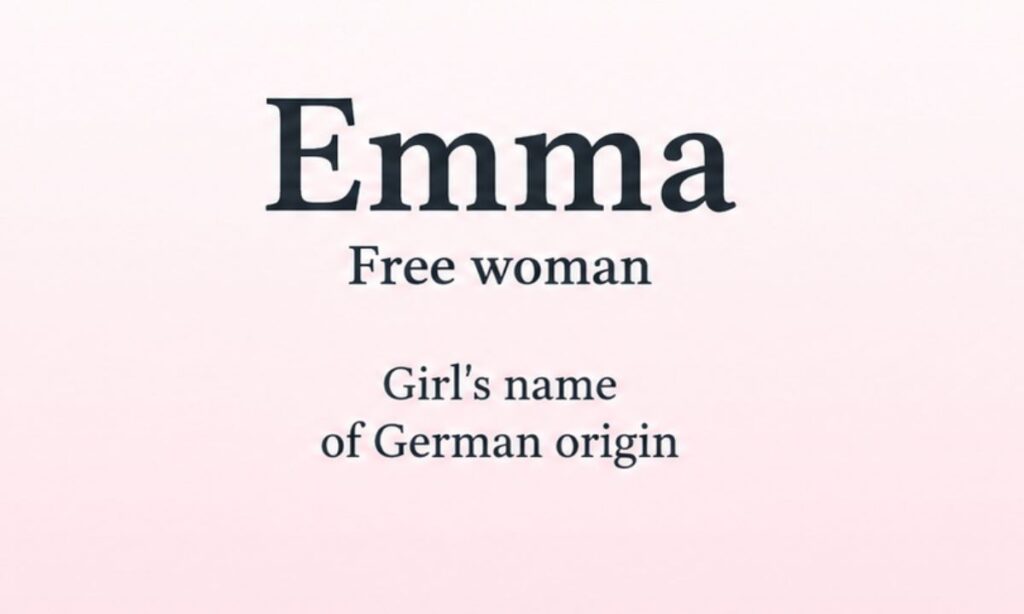
Emma is not a Hebrew name, so it does not carry a direct Hebrew origin or meaning. The name actually comes from Germanic roots, specifically from “ermen,” meaning whole, universal, or complete. It does not appear in Hebrew scripture or ancient Hebrew texts as a traditional name. Some people confuse Emma name meaning in Hebrew with actual Hebrew naming traditions due to its soft, gentle sound. However, its true linguistic roots trace back to Old German rather than the Hebrew language. Understanding this helps clarify the name’s real origin and meaning for those researching Emma name facts.
Despite lacking Hebrew roots, some try to find symbolic ties between Emma and Hebrew concepts of wholeness, like “shalom,” meaning peace and completeness. This connection is more spiritual and symbolic than linguistic or historical. Many Christian parents still find comfort in this loose association with peace and fullness. It shows how meaning can be drawn from a name even without direct Hebrew ties. This makes Emma a name that carries beauty through interpretation rather than origin. For many families, this symbolic connection adds a layer of faith-filled meaning to the name.
Emma Meaning in Greek
Emma does not have Greek origins either, as its roots trace back to Old Germanic language. The name comes from “ermen,” meaning whole, universal, or complete, not from any Greek word. It does not appear in ancient Greek texts or classical Greek naming traditions. Some assume a Greek connection because of the name’s elegant and timeless sound. However, its true origin remains firmly rooted in Germanic language and culture. This distinction helps clarify Emma’s real linguistic background for those exploring its meaning in different languages.
Even without Greek roots, some draw a symbolic link between Emma and the Greek word “holos,” meaning whole or entire. This comparison highlights how Emma’s core meaning of wholeness transcends language and culture. Many find this connection meaningful, even though it is more thematic than historical. It shows how a name’s spirit can resonate across different religions and traditions. This adds another layer of depth to Emma’s meaning for those who love exploring name origin and etymology. For many, this reflects how universal the idea of wholeness truly is.
Emma Meaning in Latin
Emma does not have Latin origins, as its roots come from Old Germanic language rather than Latin. The name is derived from “ermen,” meaning whole, universal, or complete, not from any Latin word. It does not appear in classical Latin texts or ancient Roman naming records. Some people assume a Latin connection due to the name’s graceful and classic feel. However, its true linguistic history remains rooted in Germanic rather than Latin origins. This helps clarify Emma’s real background for those curious about its meaning.
Even without Latin roots, some draw a loose connection between Emma and the Latin word “totus,” meaning whole or entire. This comparison reflects how Emma’s core meaning of wholeness appears across different languages. Many find this link interesting, even though it is symbolic rather than historical. It shows how the idea of completeness can transcend linguistic boundaries. This adds a thoughtful layer to Emma’s meaning for those researching name origin and history. For many, it highlights the universal appeal of wholeness as a name’s central theme.
What Does Emma Mean in French?
Emma is a popular name in France, but it does not have French origins either. Its roots trace back to Old Germanic language, not French. The name comes from “ermen,” meaning whole, universal, or complete, which French later adopted. France has embraced Emma widely, making it one of the most popular biblical girl names style choices in the country despite its Germanic roots. Many French parents love the name for its simplicity and elegant sound. Its widespread use in France has led some to mistakenly believe it is a native French name.
In French culture, Emma carries the same core meaning of wholeness and completeness as in its original Germanic form. The name did not change meaning when adopted into French; it simply became widely loved and used. France has consistently ranked Emma among its top baby names for several years, reflecting Emma’s name popularity worldwide. This popularity reflects how well the name’s soft sound fits French naming trends. While the meaning stays rooted in Germanic origin, the name feels effortlessly French today. This shows how a name can belong to a culture without originating from it.
Emma Meaning in Islam

Emma is not an Arabic or Islamic name, as its roots come from Old Germanic language rather than Arabic. The name is derived from “ermen,” meaning whole, universal, or complete, and it holds no direct meaning in Islamic tradition. It does not appear in the Quran or in traditional Islamic naming practices. Some Muslim families in Western countries still choose Emma for its gentle sound and modern appeal. However, its meaning does not carry any specific religious name meaning within Islam. This helps clarify the name’s background for those exploring its use among Muslim communities.
Even without Islamic roots, some parents draw a symbolic connection between Emma and the Arabic concept of “kamal,” meaning completeness or perfection. This comparison reflects how Emma’s meaning of wholeness can resonate within an Islamic worldview. Many Muslim families choosing Western names look for meanings that align with their faith values. While Emma is not rooted in Arabic or Islamic tradition, its symbolic meaning still feels compatible with Islamic ideals of wholeness. This shows how a name can hold personal significance beyond its linguistic origin. For many families, this makes Emma a name that blends modern appeal with meaningful symbolism across different religions.
What Does Emma Mean in The Chosen?
The Chosen is a popular Christian TV series that follows the life and ministry of Jesus Christ through the eyes of His disciples and followers. After checking the full cast and character list, there is no character named Emma in the series. The show features figures like Mary Magdalene, Simon Peter, Matthew, and other well-known biblical names instead. Some viewers may search for Emma expecting a tie to the show, but the name does not appear in its storyline or credits. This confirms that Emma’s meaning stays connected to its Germanic roots and broader Christian symbolism rather than any specific character in the series.
Even without a direct link to The Chosen, Emma’s spiritual meaning of wholeness still resonates with the show’s themes of faith and transformation. Many fans of the series appreciate names that reflect completeness and grace, values central to the show’s portrayal of Jesus’s followers and Christian faith. While Emma is not part of the official cast, its meaning fits naturally within a Christian audience drawn to the series. This shows how a name’s spiritual weight can connect to a show’s message, even without appearing in it directly. For fans of The Chosen searching for name meanings, Emma still carries a faith-filled tone worth exploring. It remains a name rooted in wholeness, grace, and quiet spiritual strength.
Emma Meaning and Name Meaning
Emma is a name of Germanic origin, derived from the word “ermen,” meaning whole, universal, or complete. It has been used since medieval times and remains one of the most popular baby name inspiration choices across many countries today. Emma often appears as a short form of longer Germanic names that began with the “Ermen” or “Irmin” root, a key part of Emma’s name history and etymology. Over the centuries, the name spread across Europe and became especially popular in England, France, and Scandinavia. Its simple, elegant sound has helped it stay beloved across generations. Today, Emma ranks among the top baby names in many parts of the world.
Beyond its linguistic roots, Emma’s name meaning carries a sense of wholeness, strength, and quiet grace, shaping much of Emma’s name personality. Parents often choose Emma because it feels timeless, gentle, and easy to say with warmth. The name reflects a personality that is grounded, complete, and calm under pressure. Many associate Emma’s name characteristics with qualities like kindness, confidence, and inner peace. Its universal meaning has allowed it to feel at home in many cultures and languages. This blend of simplicity and depth is part of why Emma continues to be cherished worldwide.
Emma Meaning in Bible Pronunciation
Emma is pronounced as “EH-muh,” with the stress placed on the first syllable. The pronunciation is simple and consistent across most English-speaking countries. Since Emma is not a biblical name, there is no unique Emma biblical pronunciation tied to Hebrew scripture. It is pronounced the same way whether discussed in a religious, cultural, or everyday context. This straightforward pronunciation is part of why the name feels so easy to say and remember. Its clarity and softness add to its widespread appeal among parents today.
Even though Emma lacks a biblical pronunciation guide, its gentle sound fits well within a Christian or spiritual context. Many names used in faith-based settings carry a similar soft, flowing pronunciation style. Emma’s easy pronunciation makes it a comfortable choice for families who want a name with religious name meaning but simple everyday use. It does not require any special phonetic adjustment to feel meaningful in prayer or scripture-based conversation. This blend of simplicity and grace is part of why Emma remains popular in Christian households. Its pronunciation stays consistent, clear, and gentle no matter the setting.
Spiritual Lessons from the Name Emma
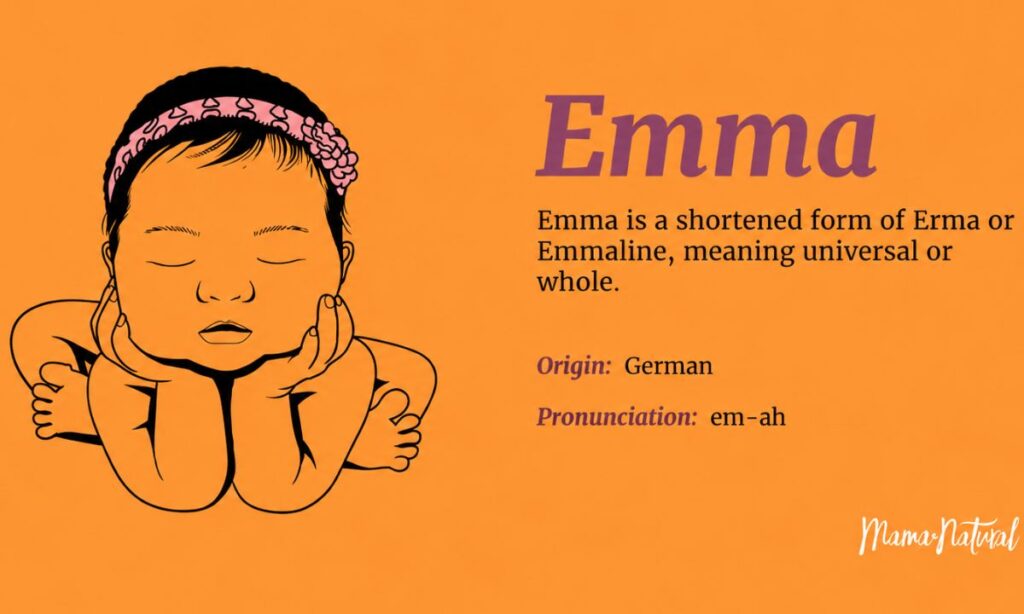
The name Emma teaches a quiet but powerful lesson about wholeness in faith and life. Its meaning of being complete reminds believers that true fulfillment comes from God, not outward things. Emma encourages a spirit of contentment, even when life feels uncertain or incomplete. This lesson mirrors Philippians 4:11, where Paul speaks of learning contentment in every circumstance, offering real spiritual growth. Living with a sense of spiritual wholeness allows a person to trust God’s timing and plan. Emma’s meaning gently reminds believers that peace comes from within, not from external success, echoing themes of healing and restoration.
Another spiritual lesson from Emma is the value of embracing personal growth without rushing the process. Wholeness is often a journey, not an instant destination, much like growth in faith and biblical interpretation. This encourages patience, trust, and steady progress on one’s spiritual walk. Emma’s meaning also reflects unity, reminding believers of the importance of being whole within community and relationships. Just as the name suggests completeness, it also points to healing broken areas of life through faith and God’s presence. This makes Emma a name filled with quiet, meaningful spiritual wisdom for everyday living.
Frequently asked questions
What does the name Emma mean in the Bible?
Emma does not appear in the Bible, as it comes from Germanic roots rather than Hebrew. Its meaning of wholeness still connects to biblical themes like completeness in Christ.
Is Emma a Hebrew name?
No, Emma is not a Hebrew name; it originates from the Old Germanic word “ermen.” It does not appear in Hebrew scripture or ancient Hebrew texts.
What is the Christian meaning of the name Emma?
In Christianity, Emma symbolizes wholeness, grace, and inner strength rooted in faith. Many believers connect it to the idea of being complete through God.
Does Emma have a biblical origin?
Emma does not have a direct biblical origin, since its roots trace back to Germanic language. Its meaning still resonates with spiritual themes found in scripture.
What Bible verse is associated with the name Emma?
Colossians 2:10 is often linked to Emma, as it speaks of being made complete in Christ. This verse reflects Emma’s core meaning of wholeness and fullness.
What does Emma symbolize spiritually?
Emma symbolizes wholeness, peace, and quiet inner strength within a spiritual life. It reflects a soul seeking completeness and grace through faith.
Is Emma mentioned in Hebrew scripture?
Emma is not mentioned in Hebrew scripture, as it is not a traditional Hebrew name. Its meaning is drawn from Germanic origin rather than biblical text.
What does the name Emma mean for a Christian baby girl?
For Christian parents, Emma represents wholeness, grace, and a life rooted in faith. It is often chosen for its gentle sound and meaningful symbolism.
How is Emma connected to Christianity?
Emma connects to Christianity through its meaning of completeness, which mirrors spiritual growth. Many Christian families find the name aligns with biblical values.
What is the true meaning of the name Emma?
The true meaning of Emma is whole, universal, or complete, rooted in Germanic language. Its meaning carries spiritual depth within a Christian worldview.
Conclusion
The name Emma may not have direct roots in the Bible or Hebrew language, but its meaning still holds deep value. Rooted in Germanic origin, Emma reflects wholeness, completeness, and quiet inner strength. Many Christian families find spiritual meaning in the name, even without a scriptural origin. Its connection to verses like Colossians 2:10 shows how faith can shape a name’s significance and biblical identity. Emma reminds believers that true completeness comes through Christ, not worldly things. This blend of history and faith gives the name a beautiful, layered meaning.
Whether chosen for its gentle sound or its spiritual symbolism, Emma remains a name full of grace. It carries lessons of patience, contentment, and trust in God’s timing for every season of life. Parents who choose Emma often hope their child grows into a life of wholeness and peace, a true reflection of faith and hope. Though not a biblical name, its meaning fits naturally within a Christian worldship and faith journey. Emma stands as a reminder that true fulfillment is found in God alone. This makes it a name that beautifully bridges history, language, and faith.

Hammad SEO is a digital marketing specialist focused on search engine optimization, prayer bible, and content strategy. He helps brands grow online visibility through data-driven SEO and engaging content.
