

Tristan is a name with roots in medieval legend, and many people want to know if it carries any biblical meaning. The Bible does not mention the name Tristan directly, so the meaning of Tristan in the Bible isn’t found in scripture itself. It comes from old Celtic and French origins, not Hebrew or Greek scripture. Still, many parents looking into biblical baby names or faith inspired baby names search for spiritual meaning behind the name today. Some connect it to themes of sorrow or loyalty found in its ancient roots. Others find personal spiritual significance in the name, even without a direct Bible reference.
Even without scripture ties, many families give Tristan a faith-based meaning through prayer and intention, the way many christian parenting names traditions work. Parents often choose Bible verses to bless the name and its meaning for their child. Some connect Tristan to traits like courage, loyalty, and quiet strength. These qualities are valued throughout the Bible in many well-known figures. Choosing a name with intention can add deep spiritual meaning, even if the name itself isn’t biblical. In this way, Tristan can carry lasting faith and purpose for those who choose it.
Tristen Name Meaning Bible
Tristen is a variant spelling of Tristan, and many people search for Tristen meaning in Bible terms through a biblical lens. The Bible does not mention the name Tristen directly. Like Tristan, it traces back to old Celtic and French origins, not Hebrew or Greek scripture. Still, many parents look for spiritual meaning behind the name today. Some connect it to themes of sorrow or loyalty found in its ancient roots. Others find personal spiritual significance in the name, even without a direct Bible reference.
Even without scripture ties, many families give Tristen a faith-based meaning through prayer and intention. Parents often choose Bible verses to bless the name and its meaning for their child. Some connect Tristen to traits like courage, loyalty, and quiet strength. These qualities are valued throughout the Bible in many well-known figures. Choosing a name with intention can add deep spiritual meaning, even if the name itself isn’t biblical. In this way, Tristen can carry lasting faith and purpose for those who choose it.
Biblical View of Sorrow
The biblical meaning of sorrow is deep and honest, showing that grief is a normal part of human life. Scripture never hides pain or pretends sorrow isn’t real. Many Bible figures, like Job and David, expressed deep sorrow openly before God, a pattern reflected in king David and sorrow throughout the Psalms. The Bible teaches that sorrow can draw people closer to God rather than push them away, offering hope after suffering in the Bible. It also promises comfort and healing for those who mourn. This honest view of sorrow gives people permission to grieve while still holding onto faith.
The Bible also teaches that sorrow is not the end of the story for believers. Verses like Psalm 30:5 remind readers that joy can follow even the darkest seasons, echoing how God turns sorrow into joy. God is described as close to the brokenhearted, offering comfort during times of loss, a truth captured in the Psalm 34:18 meaning. Sorrow is often seen as temporary, while God’s presence and hope remain constant. This balance between pain and comfort reflects a compassionate, realistic view of human suffering, much like the John 11:35 meaning behind Jesus wept. It reminds believers that sorrow, while real, is never faced alone.
Tristan Meaning in Hebrew
Tristan doesn’t have a direct Hebrew meaning, since it isn’t a Hebrew name. Its roots trace back to Celtic and Old French origins, not Hebrew scripture. The name is often linked to the Latin word “tristis,” meaning sad or sorrowful. Some also connect it loosely to Pictish or Brittonic roots from early medieval legend, tied to the story of Tristan and Isolde. Because it isn’t found in Hebrew texts, Tristan has no formal Hebrew translation. Still, its meaning of sorrow carries emotional weight that resonates across cultures and languages.
Even without Hebrew origins, some people search for a symbolic Hebrew connection through meaning rather than language. In Hebrew thought, sorrow is often tied to depth of feeling and closeness to God during hard times. This idea pairs well with Tristan’s traditional meaning, even though the name itself isn’t Hebrew, Greek, or tied to Tristan meaning in old French alone. Some parents draw comfort from linking the name’s sorrowful roots to biblical themes of comfort and healing. While there’s no linguistic tie, the emotional and spiritual connection still feels meaningful to many. This shows how names can carry personal significance beyond their literal origins.
1. Sorrow and Depth of Heart
Sorrow and depth of heart go hand in hand in the biblical understanding of names like Tristan. The name’s root meaning of sadness reflects a heart that feels deeply, not one that is weak. Scripture often honors those who feel pain honestly, like David in the Psalms. A tender heart is seen as valuable, not something to hide or fear. This depth of feeling can lead to greater compassion in the Bible for others. It shows that even sorrow can shape a person into someone caring and strong.
This kind of depth also connects to spiritual growth through trials found throughout scripture. Many biblical figures grew closer to God through seasons of sorrow and reflection. A heart that feels deeply is often described as open and sensitive to God’s presence. This trait can lead to wisdom, empathy, and genuine faith over time. Parents who see this meaning in Tristan often view it as a strength, not a flaw. In this way, sorrow becomes a doorway to deeper emotional and spiritual maturity.
2. Transformation Through Trials
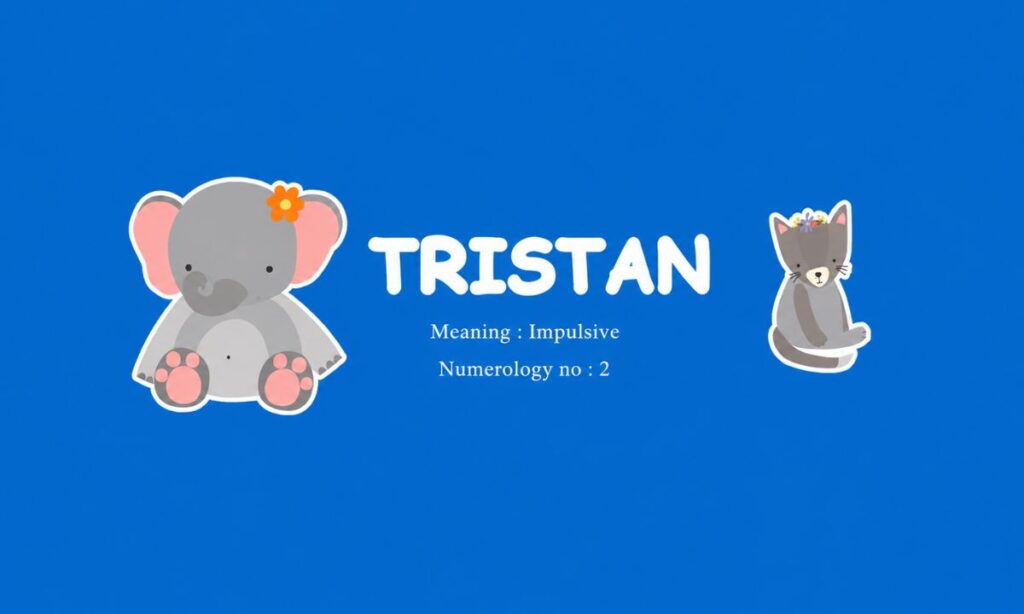
Transformation through pain in the Bible is another meaningful theme tied to the name Tristan. Many biblical stories show hardship leading to growth, strength, and renewed purpose, part of God’s purpose in suffering. Just as sorrow shapes character, trials often refine faith and build resilience over time, echoing strength through trials in the Bible. Figures like Joseph and Job faced deep suffering but emerged with greater wisdom and trust in God, much like Job’s faith in suffering. This pattern reflects how pain, when carried with faith, can lead to transformation. Tristan’s roots in sorrow can be seen not as a burden, but as a starting point for growth.
This idea of transformation offers a hopeful lens for understanding the name, one that echoes the James 1:2-3 meaning about trials producing endurance. Trials are rarely comfortable, but scripture consistently ties them to spiritual maturity and renewed strength. A person who endures hardship often develops deeper empathy, patience, and faith, a picture of perseverance in faith. Parents drawn to this meaning often see Tristan as a name of quiet resilience. It suggests a journey from sorrow toward purpose, not one defined by pain alone. In this way, the name carries a message of hope found through life’s hardest seasons.
What Does Tristan Mean?
Tristan is a name of Celtic and Old French origin, most famously tied to the legend of Tristan and Isolde. Its meaning is widely linked to the Latin word “tristis,” which means sad or sorrowful. Some scholars also trace the Tristan name’s origin to Pictish or Brittonic roots from early British history. Over time, the name has come to represent deep feeling rather than weakness. Many parents today are drawn to its emotional depth and timeless legacy. Its meaning has grown beyond sorrow to include strength, loyalty, and quiet resilience, part of the broader Tristan name symbolism.
The name has stayed popular for centuries because of its rich history and emotional weight. Tristan is often associated with romantic devotion, courage, and enduring loyalty from its legendary origins. While it isn’t a biblical name, many people give it spiritual meaning through prayer and intention, treating it as one of the unique christian boy names chosen for feeling rather than scripture. Its ties to sorrow can also be seen as a symbol of depth and empathy. This makes Tristan a name that feels both meaningful and emotionally powerful. For many families, it represents strength shaped through feeling, not despite it.
What Does Tristan Mean in the Bible?
The Bible doesn’t mention Tristan directly, since the name comes from Celtic and Old French roots, not Hebrew or Greek scripture, which answers is Tristan a biblical name for most readers. Its traditional meaning of sorrow, from the Latin “tristis,” has no formal entry in biblical texts. Still, many Christians find spiritual meaning in names outside scripture through prayer and reflection. Sorrow itself is a theme the Bible addresses often, especially through figures like Job and David. This connection lets parents link Tristan’s meaning to biblical truths about comfort and healing. In this way, the name takes on spiritual depth even without direct scripture ties.
Many believers focus on a name’s qualities rather than its origin when searching for the christian meaning of Tristan. Tristan’s association with deep feeling, loyalty, and resilience mirrors traits valued throughout scripture. The Bible often honors those who feel pain honestly and grow stronger through trials. Parents who choose this name for its emotional depth can pair it with bible verses about comfort, strength, or God’s presence in sorrow. This turns a name without direct biblical roots into one filled with faith-based meaning. For many families, that personal connection to faith matters more than linguistic history.
1. A Heart That Understands Suffering
A heart that understands suffering carries real value in the biblical view of names like Tristan. Its root meaning of sorrow points to a person who feels deeply, not one who is fragile. Scripture shows this same honesty through figures like Job and David, who never hid their pain from God. A heart shaped by suffering often grows more compassionate toward others in pain. This kind of understanding can’t be faked. It comes from having walked through hard seasons and coming out with a softer, wiser heart.
This depth of understanding also builds a stronger connection to others who are hurting. Someone who has known sorrow often becomes a source of comfort for people around them. The Bible frequently uses suffering as a bridge to empathy and ministry to others. A name tied to sorrow, like Tristan, can reflect this quiet gift of understanding. Parents drawn to this meaning often see it as a strength rooted in compassion in the Bible. In this way, a heart that understands suffering becomes a heart equipped to help others heal.
2. Compassion for Others
Compassion for others is a natural extension of the sorrow woven into Tristan’s meaning. A heart familiar with pain often notices pain in others more easily. This trait mirrors the biblical call to comfort those who mourn, as seen throughout scripture. People who have faced hardship often carry a gentler, more patient spirit toward those still struggling. This quality reflects real strength, not weakness. It shows how sorrow, when carried with faith, can turn into a lasting gift for others.
This kind of compassion often becomes a defining trait as someone matures in faith, part of the emotional strength in Christ that scripture describes. Scripture repeatedly links personal suffering to a deeper capacity to care for others. Someone shaped by sorrow can offer comfort that feels genuine, not rehearsed. Parents who connect this meaning to Tristan often see it as a quiet calling toward kindness. It suggests a life marked by empathy rather than bitterness. In this way, compassion becomes one of the most meaningful gifts tied to the name.
3. Faith Through Difficult Seasons

Faith through difficult seasons is a natural extension of Tristan’s meaning of sorrow and depth. The Bible often shows that trials test faith, but they also strengthen it over time, part of trusting God in hard times. Figures like Job held onto trust in God even during their darkest days. This kind of steady faith isn’t about avoiding pain, but choosing to trust despite it. A name tied to sorrow can also carry this deeper meaning of endurance in the Bible. It reflects a quiet strength that grows through hardship rather than in spite of it.
This steady faith often becomes a defining part of someone’s character over time. Scripture teaches that trials can refine belief, making it stronger and more genuine, a truth echoed in the Romans 8:18 meaning about present suffering compared to future glory. Someone who holds onto faith through pain often develops a deep, lasting trust in God. Parents drawn to this meaning often see Tristan as a name of quiet perseverance. It suggests a journey shaped by both struggle and steady belief. In this way, faith through difficult seasons becomes one of the most powerful themes tied to the name.
Is the Name Tristan in the Bible?
No, Tristan is not found in the Bible, and Tristan in the Bible remains one of the most common questions parents ask. It’s a name with Celtic and Old French origins, not Hebrew or Greek scripture. The name became widely known through the medieval legend of Tristan and Isolde, long after biblical texts were written. Its traditional meaning of sorrow comes from the Latin word “tristis.” Because of this, Tristan has no place in the original biblical languages or genealogies. Still, its themes of sorrow and depth connect loosely to ideas found throughout scripture.
Even though Tristan isn’t a biblical name, its meaning can carry spiritual significance for believers today. Many Christians find personal meaning in names through prayer rather than direct scripture references, part of a broader biblical interpretation of names. Sorrow, resilience, and compassion are all qualities the Bible values, even if the name itself isn’t mentioned. Parents can choose to bless the name with verses about comfort, strength, or faith through trials. This gives Tristan a spiritual meaning shaped by intention rather than biblical origin. In the end, its power comes from the meaning families choose to give it.
Tristan Meaning in Bible
The Bible doesn’t mention Tristan directly, since it comes from Celtic and Old French roots, not Hebrew or Greek scripture. Its traditional meaning of sorrow, from the Latin “tristis,” has no formal entry in biblical texts. Still, many Christians find spiritual meaning in names outside scripture through prayer and reflection. Sorrow itself is a theme the Bible addresses often, especially through figures like Job and David. This connection lets parents link Tristan’s meaning to biblical truths about comfort and healing. In this way, the name takes on spiritual depth even without direct scripture ties.
Many believers focus on a name’s qualities rather than its origin when searching for meaning. Tristan’s association with deep feeling, loyalty, and resilience mirrors traits valued throughout scripture. The Bible often honors those who feel pain honestly and grow stronger through trials. Parents who choose this name for its emotional depth can pair it with verses about comfort, strength, or God’s presence in sorrow. This turns a name without direct biblical roots into one filled with faith-based meaning. For many families, that personal connection to faith matters more than linguistic history.
1. Sorrow That Leads to Strength
Sorrow that leads to strength captures a powerful truth found throughout scripture. Pain, when carried with faith, rarely stays pain alone. It often becomes the ground where deeper strength takes root. Figures like Job and David show this pattern clearly in the Bible. They faced real sorrow but grew steadier and more faithful through it. This gives Tristan’s meaning a hopeful turn, not just a heavy one.
This kind of strength doesn’t erase sorrow, but it grows alongside it. Scripture never asks believers to hide pain to be strong. Instead, it shows that honest grief can shape a resilient, faithful heart over time, an example of christian life lessons drawn from real struggle. Someone who has known sorrow often stands firmer in later trials. Parents drawn to this meaning often see Tristan as a name of quiet endurance. In this way, sorrow becomes not a weakness, but a starting point for real strength.
2. Transformation Through Pain
Transformation through pain is one of the clearest patterns in scripture. Trials rarely leave people the same. They shape faith, patience, and character in ways comfort never could. Joseph and Job both suffered deeply, yet both emerged with greater wisdom and trust in God. This shows that pain, though hard, often carries a purpose. It gives Tristan’s meaning of sorrow a sense of forward motion, not just weight.
This transformation usually happens slowly, through faith held steady over time. Scripture ties endurance through pain to spiritual growth again and again. A person shaped this way often becomes more grounded, patient, and compassionate. Parents drawn to this meaning often see Tristan as a name marking a journey, not just a feeling. It points to sorrow turning into something purposeful over time. In this way, transformation through pain becomes a defining thread in the name’s deeper meaning.
Tristan in the Bible

Tristan is not found in the Bible. The name comes from Celtic and Old French origins, tied to the medieval legend of Tristan and Isolde, not to Hebrew or Greek scripture. Its traditional meaning of sorrow, from the Latin word “tristis,” has no direct biblical entry. Because of this, there’s no verse, genealogy, or character in the Bible connected to the name. Its roots trace back centuries after scripture was written. Still, its emotional depth gives it a meaning many people connect to faith today.
Even without appearing in scripture, Tristan carries themes the Bible speaks to often. Sorrow, resilience, and compassion are all qualities honored throughout biblical stories. Many Christians choose to give the name spiritual meaning through prayer and reflection rather than direct scripture, drawing on christian spiritual insights and biblical encouragement for trials. Parents can pair the name with verses about comfort, strength, or faith through trials. This lets Tristan carry personal spiritual weight, even without biblical origin. In the end, its meaning becomes shaped by intention and faith rather than scripture itself.
Spiritual Significance and Symbolism
Spiritual significance and symbolism give the name Tristan meaning far beyond its literal roots. Though its origin points to sorrow, many see this as a symbol of depth rather than despair, part of the wider spiritual symbolism of Tristan. A name tied to sorrow can represent someone who feels deeply and loves fully. This kind of emotional depth is often linked to empathy, wisdom, and quiet strength. In a spiritual sense, sorrow isn’t seen as purely negative but as a doorway to growth. This gives Tristan a symbolic meaning rooted in resilience and heartfelt understanding.
Beyond sorrow, the name also carries biblical symbolism of Tristan tied to loyalty and enduring love, echoing its legendary origins. These qualities align with values often celebrated in matters of faith and devotion. Some see Tristan as symbolic of steadfastness, someone who remains faithful through hardship. Others connect it to transformation, where pain becomes a path toward deeper character. This blend of sorrow and strength creates a meaningful symbolic identity. In the end, Tristan’s spiritual significance lies in turning quiet sorrow into lasting purpose.
A Season of Growth
A season of growth reflects the deeper meaning found in sorrow when carried with faith. The Bible often shows that hard seasons are not wasted time, but times of shaping. Just as a field must be tilled before it grows, a heart often deepens through hardship. Figures like Joseph spent years in difficult circumstances before stepping into their purpose. This shows that growth doesn’t always come from comfort, but often from waiting through pain. Tristan’s ties to sorrow can be seen as the beginning of that kind of growth.
This season of growth also brings patience and maturity over time. Scripture consistently connects trials to spiritual development, not just personal struggle. A person who endures hardship often gains wisdom that comfort alone can’t teach. Parents drawn to this meaning may see Tristan as a name marking quiet, steady growth. It suggests a life shaped gradually through faith rather than instant change. In this way, a season of growth becomes one of the most hopeful themes tied to the name.
A Tender and Compassionate Heart
A tender and compassionate heart reflects the deeper meaning many people find in the name Tristan. Its ties to sorrow suggest a heart that feels deeply, not one that stays hardened by pain. Scripture often shows that tenderness grows through empathy, not comfort alone. People who have known sorrow often carry more patience and gentleness toward others. This kind of heart notices pain in others quickly and responds with care. It reflects strength shown through kindness rather than distance.
This tenderness often becomes a lasting part of someone’s character over time. The Bible frequently ties compassion to a heart shaped by real experience, not just good intention. Someone with a tender heart tends to comfort others in ways that feel genuine and understanding. Parents drawn to this meaning may see Tristan as a name marked by warmth beneath its quiet depth. It suggests a life defined by care, not just feeling. In this way, a tender and compassionate heart becomes one of the most meaningful traits tied to the name.
Biblical Interpretations in Dreams or Real Life
Biblical dream interpretation of sorrow in dreams or real life often carries meaning tied to seasons of change and reflection. In scripture, dreams sometimes revealed coming struggles, but they also pointed toward eventual purpose and hope. Joseph’s dreams, for example, showed both hardship and future blessing intertwined. In real life, the dream meaning of Tristan can act the same way, revealing areas of the heart that need healing or growth. Some believe recurring feelings of sadness in dreams point to unresolved emotions needing prayer and reflection. This view treats sorrow not as something to fear, but as a signal worth paying attention to.
In everyday life, sorrow tied to a name like Tristan can be seen as a reminder to slow down, engage in praying for guidance, and seek God’s presence. Many believers interpret ongoing feelings of heaviness as an invitation to lean into faith rather than pull away. Scripture encourages bringing sorrow to God honestly, rather than hiding it. This mirrors the emotional depth associated with the name Tristan. Whether experienced in dreams or waking life, sorrow is often viewed as part of a larger spiritual journey. In this way, it becomes a meaningful signal rather than something purely negative.
Practical Lessons & Faith Insights

Practical lessons and faith insights from Tristan’s meaning point to real ways sorrow can shape a life for good, offering biblical wisdom for anyone walking through a hard season. Sorrow doesn’t have to be avoided or feared. It can teach patience, build empathy, and deepen trust in God over time. Scripture shows that hardship, when faced honestly, often produces lasting character. This is a practical reminder that hard seasons aren’t wasted, even when they feel heavy. People who learn from sorrow often carry more wisdom into future struggles.
These insights also offer biblical encouragement for everyday faith and relationships. Someone shaped by sorrow can become a source of comfort for others going through hard times. Choosing to trust God during pain, rather than pulling away, strengthens faith over time and builds hope in Christ. Parents who value this meaning in Tristan often hope it inspires resilience and compassion. It’s a reminder that struggle can lead to purpose when faced with faith. In the end, the practical lesson is simple: sorrow, when carried well, becomes a teacher rather than just a burden.
Frequently Asked Questions
What does the name Tristan mean in the Bible?
Tristan doesn’t appear in the Bible. It comes from Celtic and Old French roots, and its traditional meaning is sorrow.
Is Tristan a biblical name?
No, Tristan is not a biblical name. It comes from medieval legend, not Hebrew or Greek scripture.
What does the name Tristan mean spiritually?
Spiritually, Tristan is often linked to depth of feeling, compassion, and resilience through hardship.
What is the origin of the name Tristan?
Tristan comes from Celtic and Old French origins, tied to the medieval legend of Tristan and Isolde.
Does the Bible say anything about sorrow?
Yes, the Bible speaks often about sorrow, especially through figures like Job and David. It also promises comfort for those who mourn.
What is the Hebrew meaning of Tristan?
Tristan has no Hebrew meaning, since it isn’t a Hebrew name. Its roots trace back to Celtic and Old French language.
Can a name have spiritual meaning if it’s not in the Bible?
Yes, many Christians give names spiritual meaning through prayer and intention, even without direct scripture ties.
What personality traits are linked to the name Tristan?
Tristan is often linked to compassion, loyalty, quiet strength, and deep emotional understanding.
Is Tristan a good Christian name?
Yes, many Christian parents choose Tristan for its emotional depth and pair it with meaningful Bible verses.
What Bible verses go well with the name Tristan?
Verses about comfort and strength, like Psalm 30:5 or Psalm 34:18, pair well with Tristan’s meaning of sorrow turned to hope.
Conclusion
Tristan may not be a name found in scripture, but its meaning still speaks to real biblical truths. Its roots in sorrow connect naturally to themes of grief, comfort, and healing found throughout the Bible. Figures like Job and David show that honest sorrow can deepen faith rather than weaken it. This makes Tristan a name that carries emotional weight and spiritual depth. Many parents find meaning in this connection, even without a direct scripture reference. In the end, the name reflects a heart shaped by feeling, not fear.
Choosing Tristan for its spiritual symbolism allows families to give the name lasting purpose, much like other names with biblical significance chosen by christian families today. Its ties to sorrow, resilience, and compassion echo values the Bible honors again and again. Pairing the name with meaningful verses can turn a name of sadness into one of hope and strength. This blend of history and faith gives Tristan a deeper, more personal significance, part of a complete biblical meaning guide for the name. Whether chosen for its legend or its emotional depth, the name carries a quiet spiritual weight. In this way, Tristan becomes a name defined by faith, growth, and enduring meaning.

Hammad SEO is a digital marketing specialist focused on search engine optimization, prayer bible, and content strategy. He helps brands grow online visibility through data-driven SEO and engaging content.
